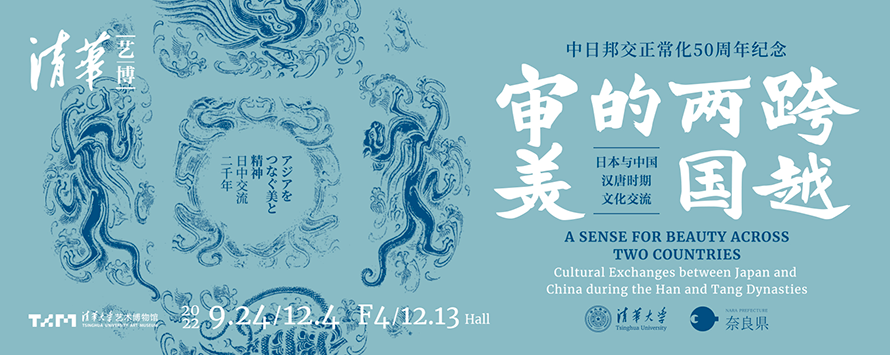
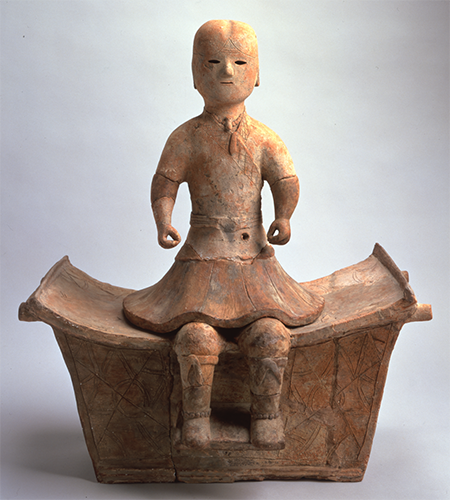
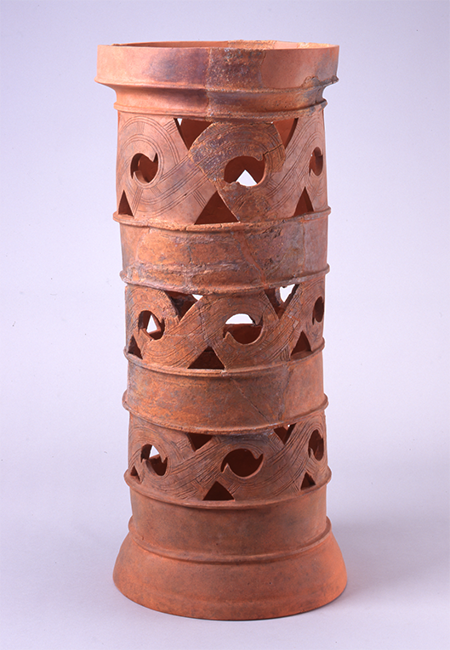
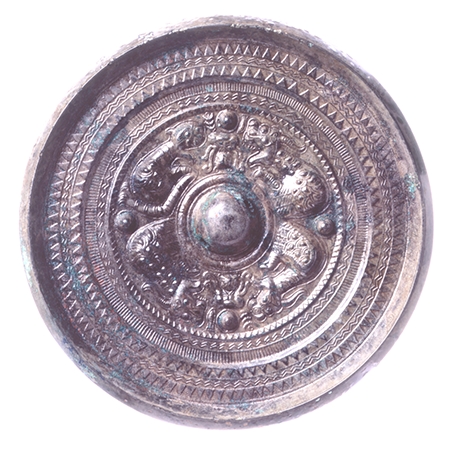
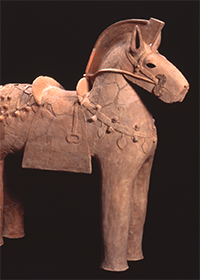
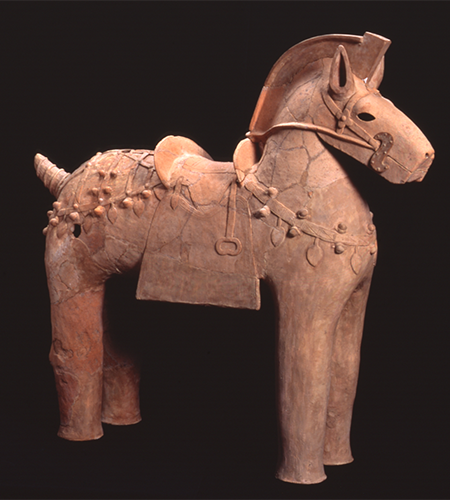
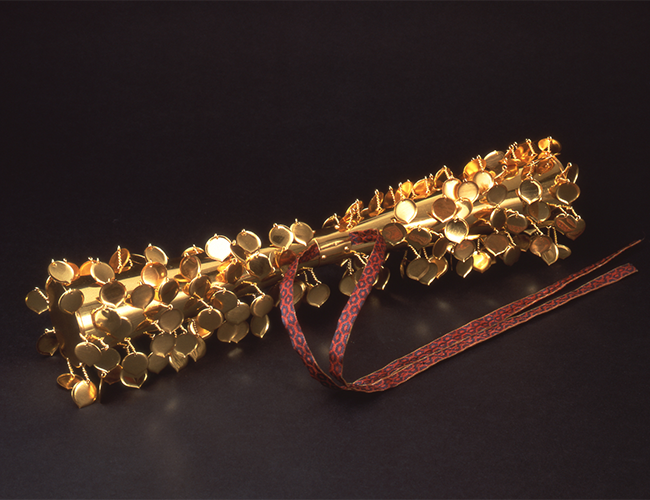
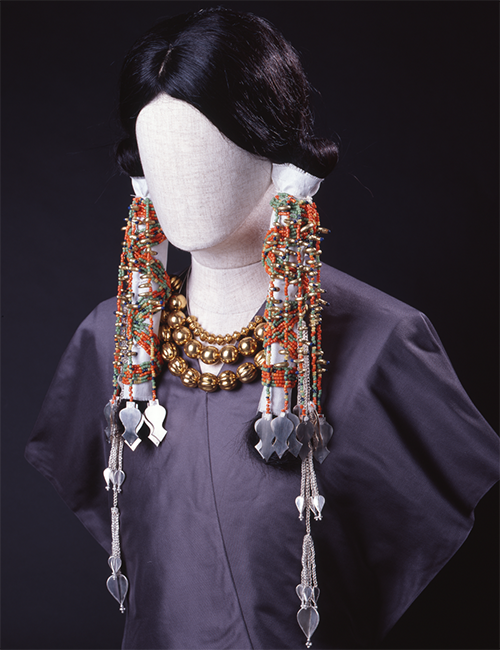
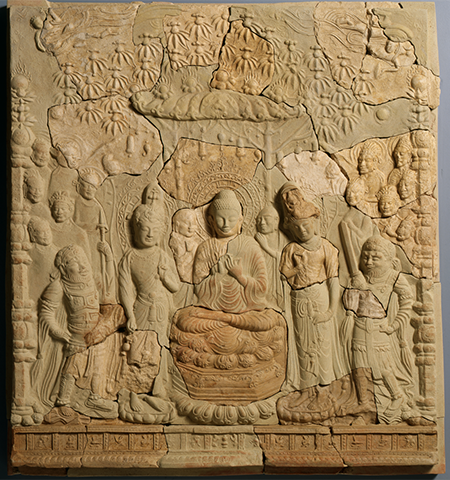
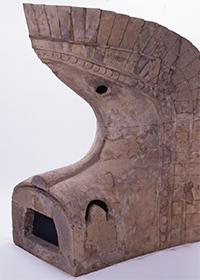
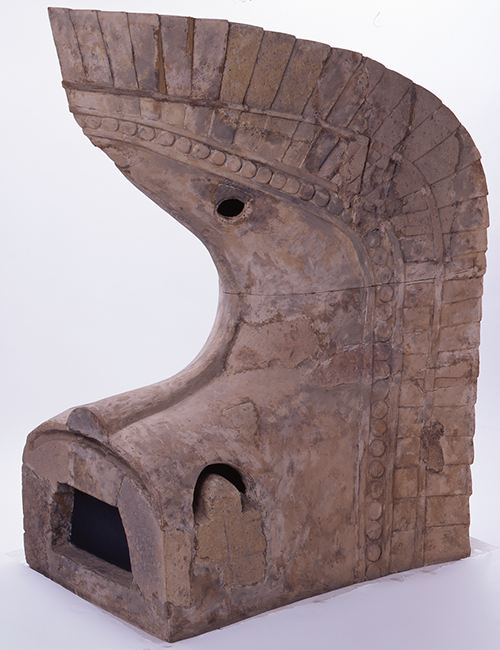
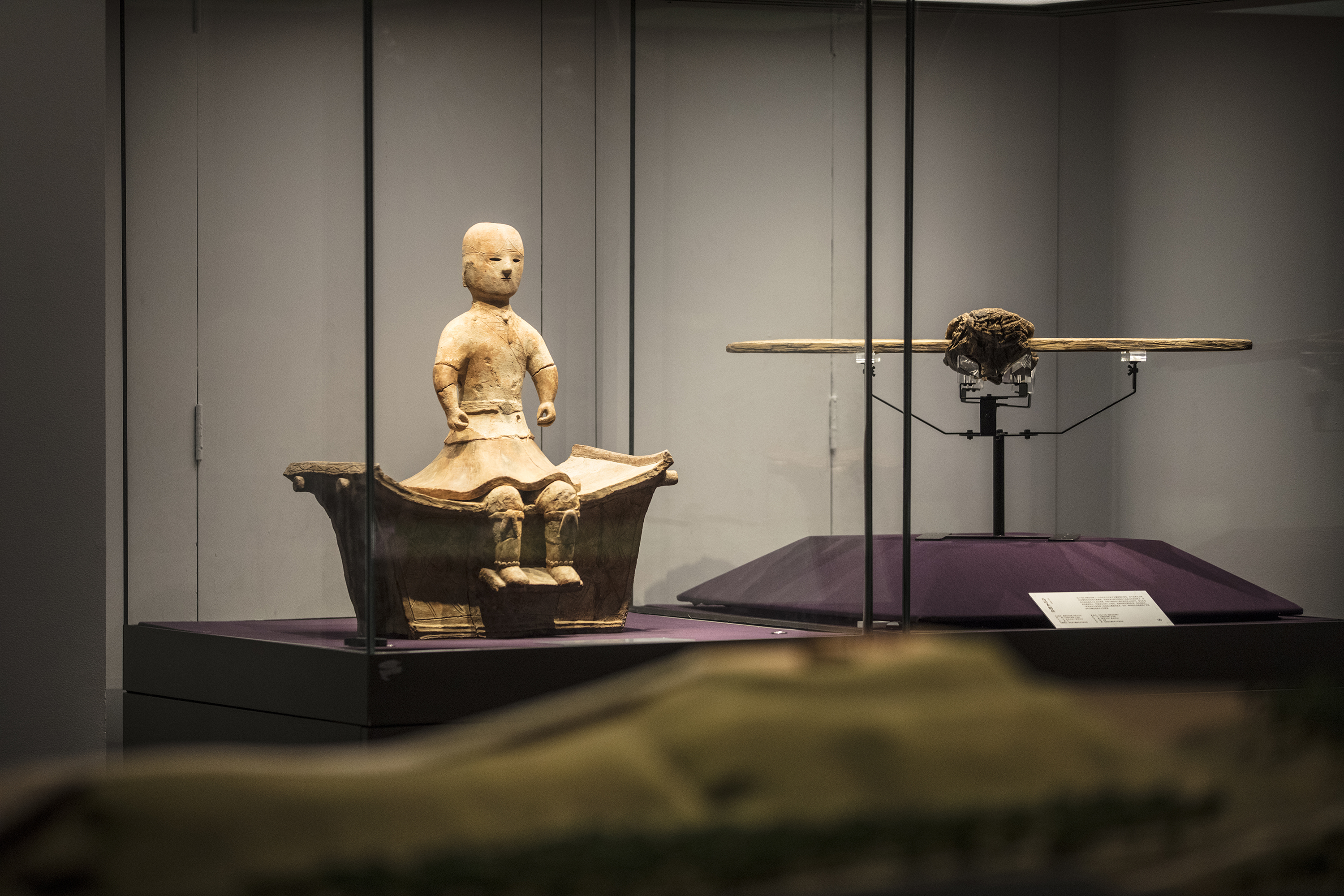
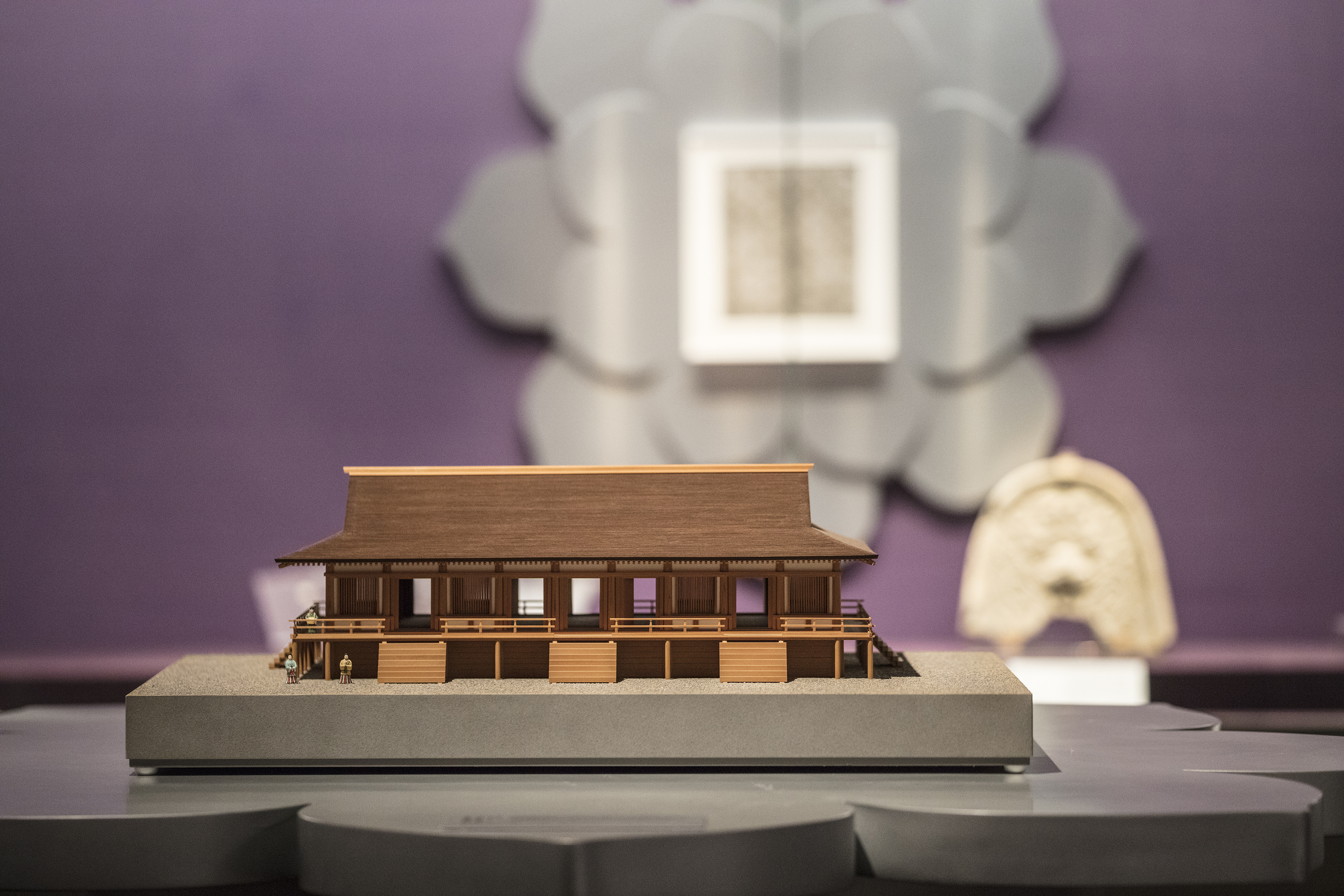
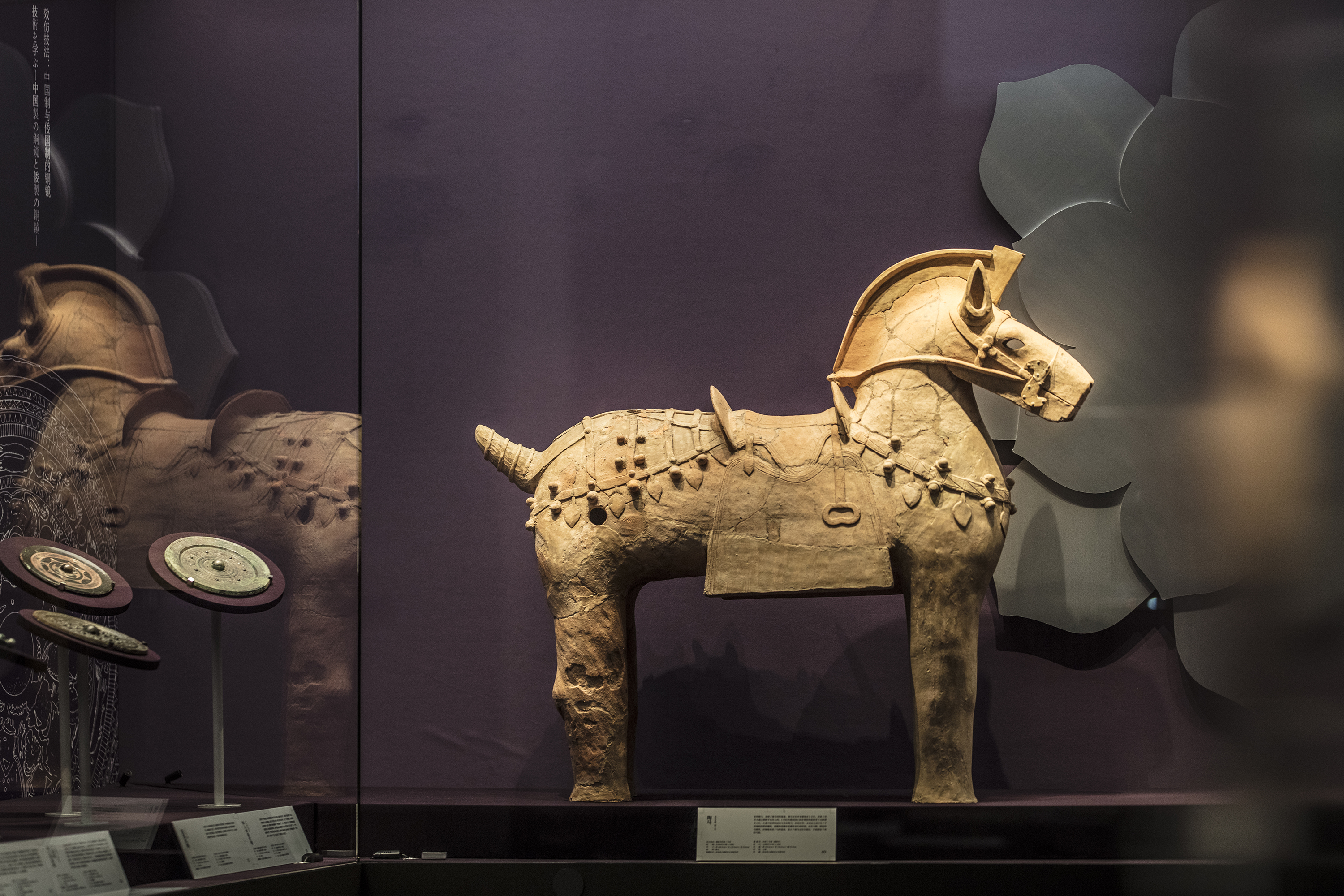
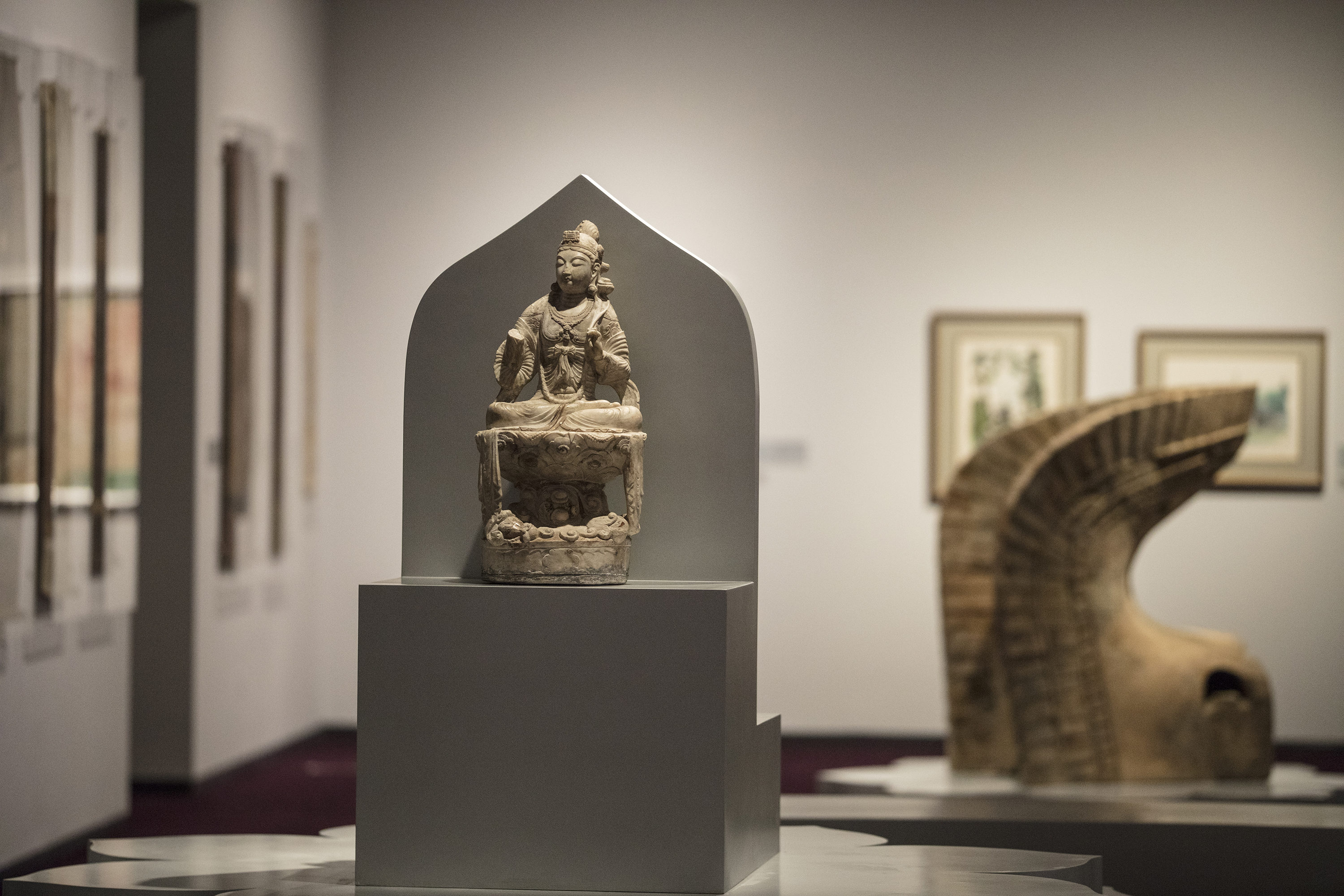
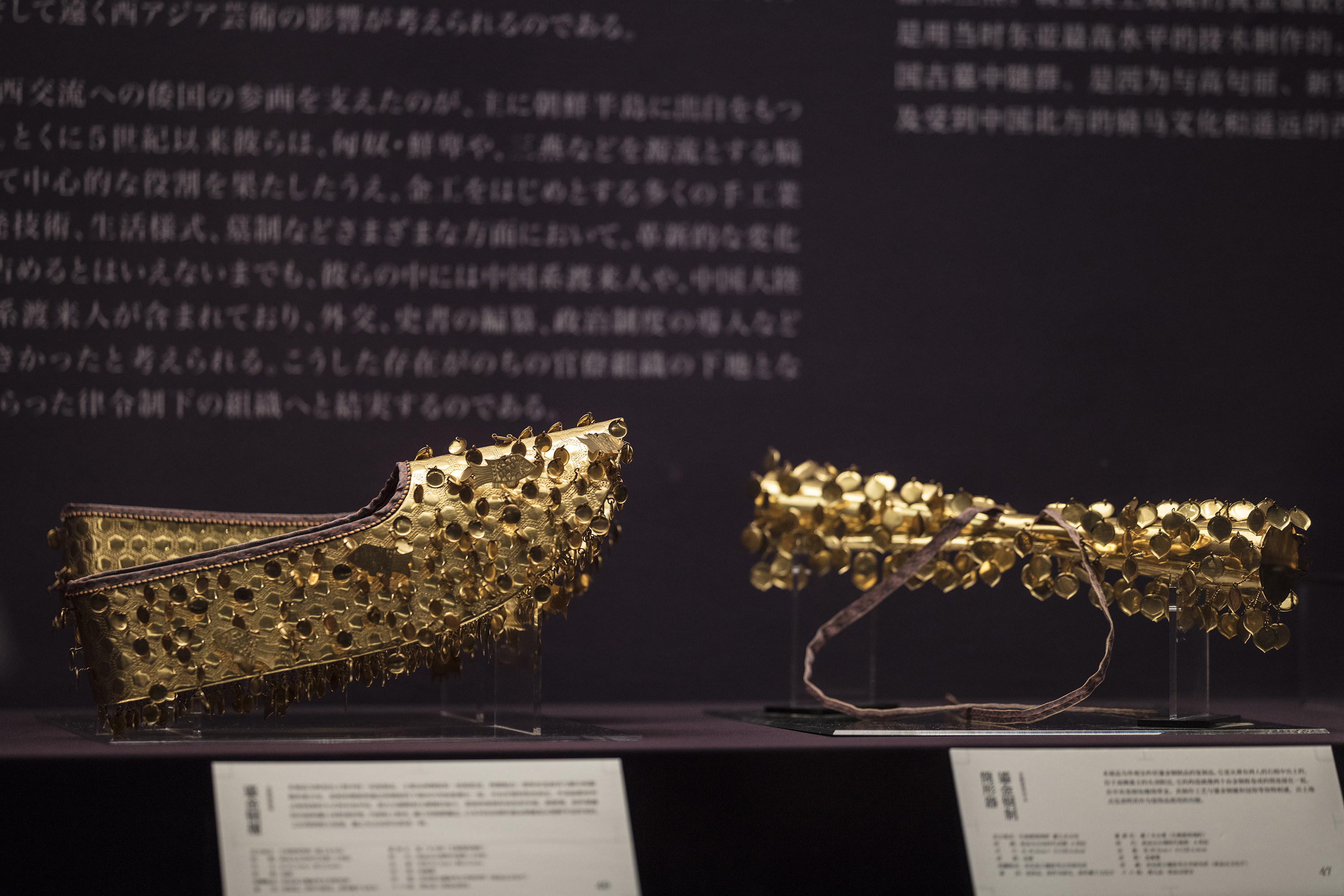
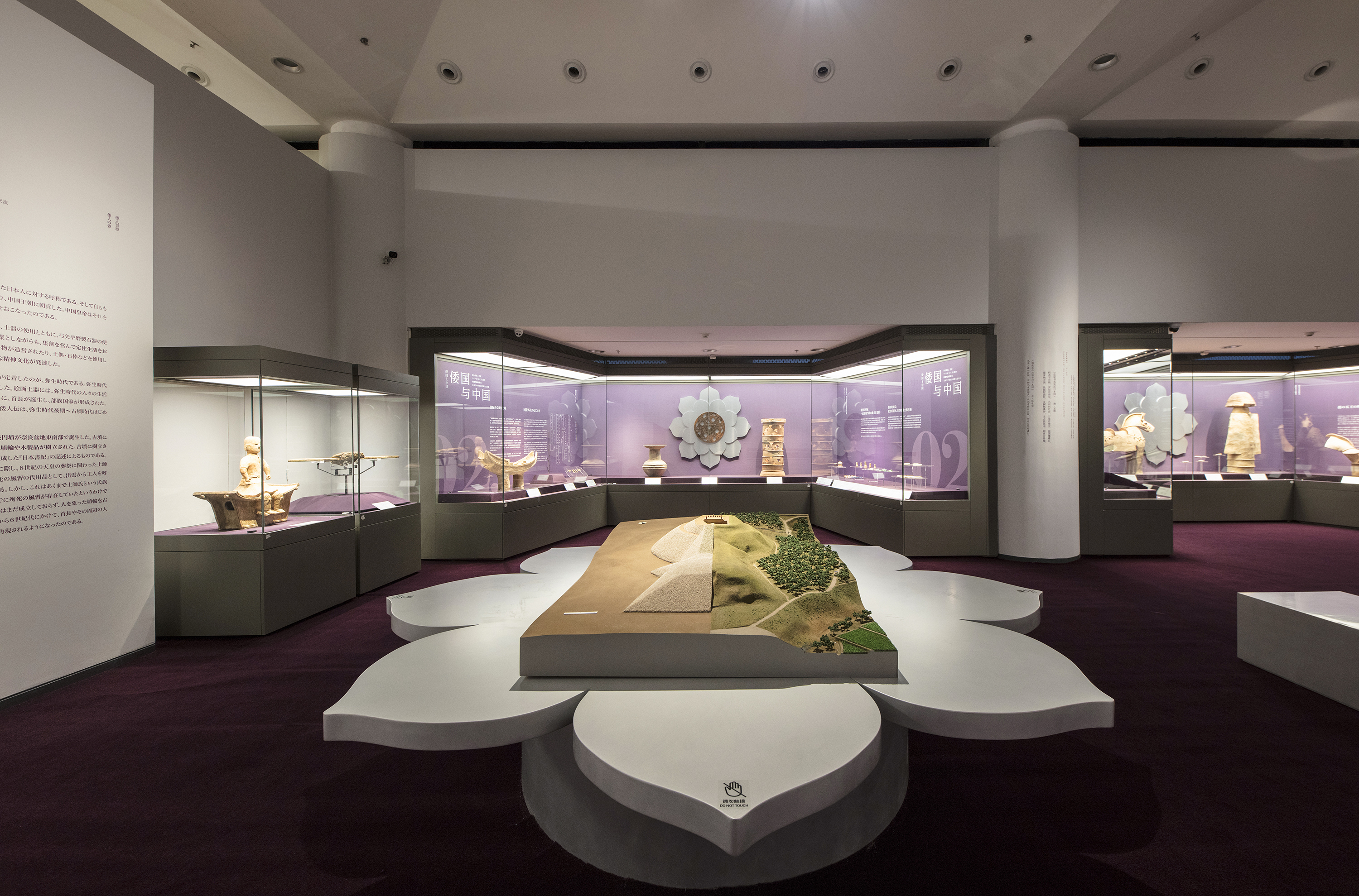
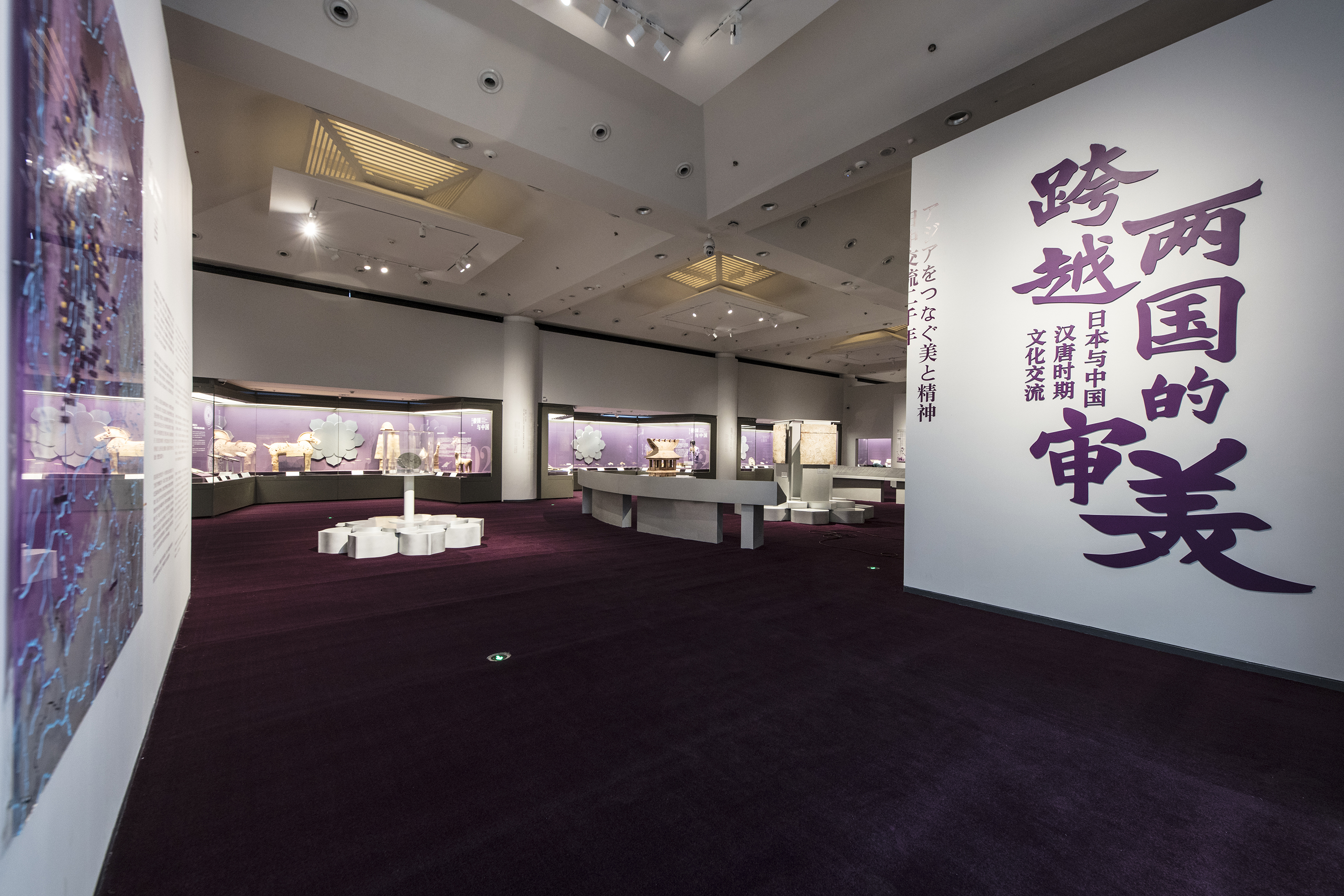
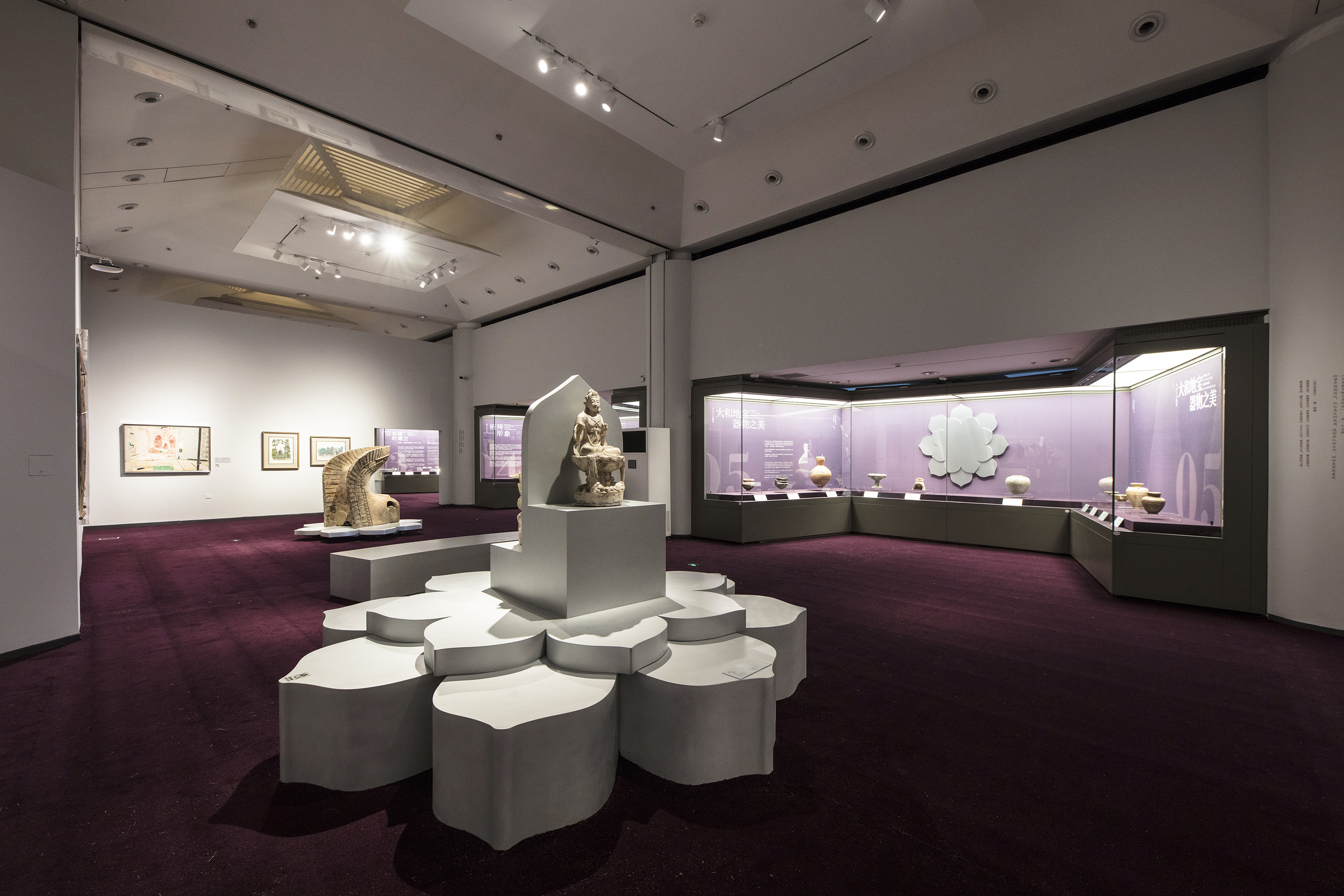
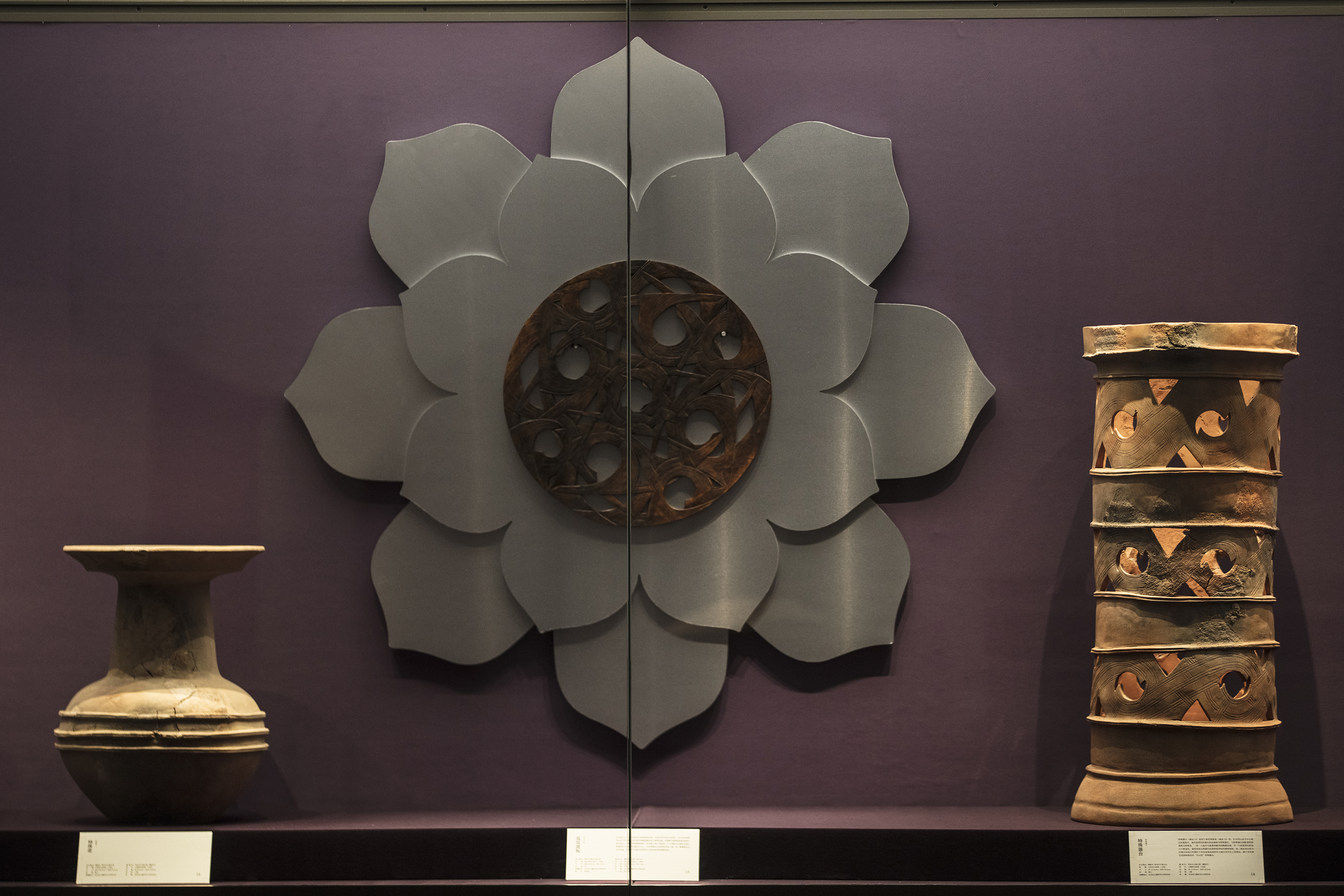
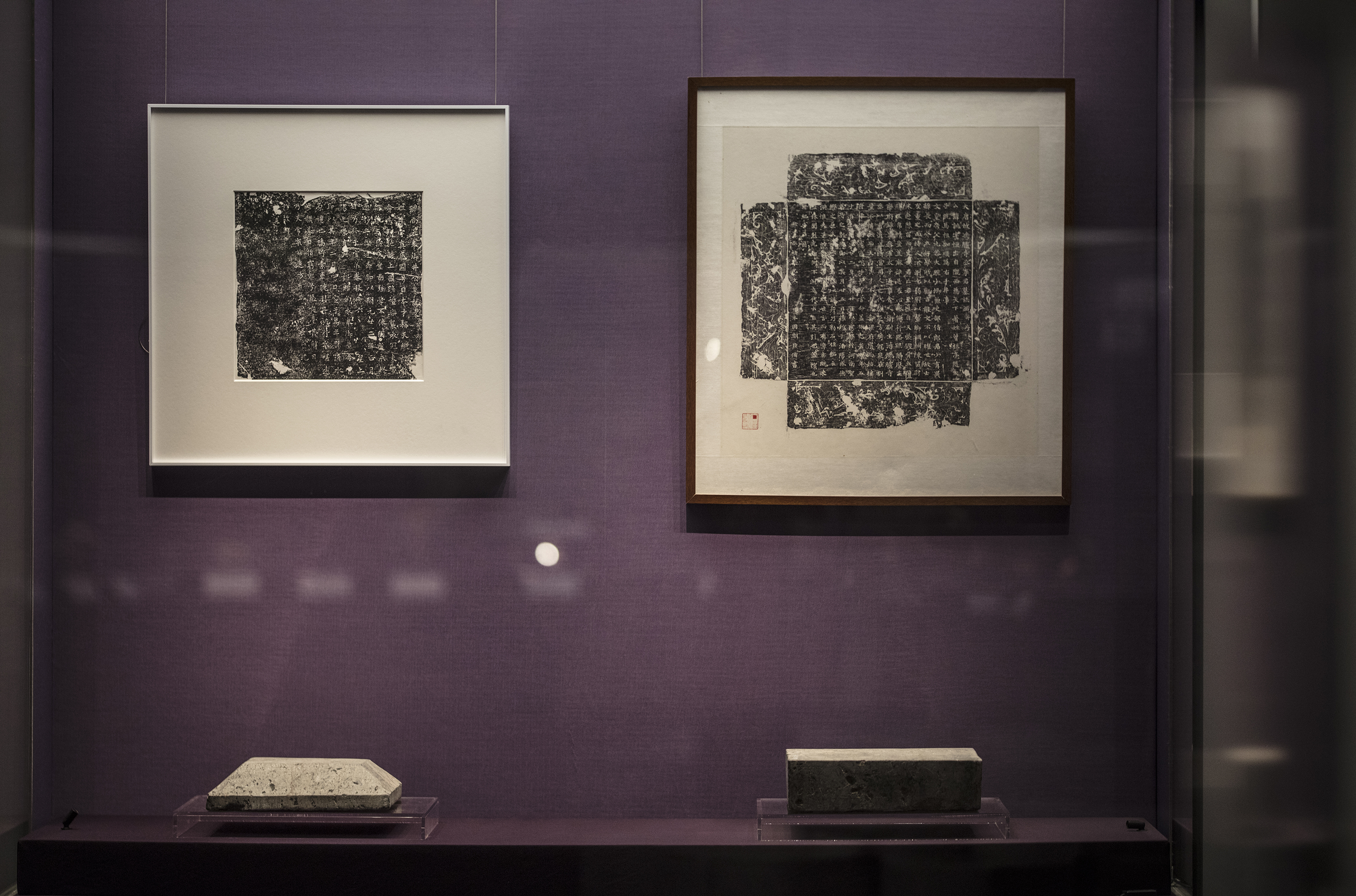
Located east of the Eurasian continent, China and Japan face each other across the ocean. The geographic adjacency results in inherent connections and long-lasting cultural exchanges between the two countries throughout history. The Book of the Later Han records the earliest official diplomatic activity between China and Japan. According to the record, the Wo state paid tribute to the Han government in the second year of the Jianwu Zhongyuan Period of Emperor Guangwu in the Eastern Han dynasty (57 CE). Emperor Guangwu bestowed his seal and its silk ribbon upon the envoy. During the ensuing Six Dynasties and Sui and Tang dynasties, China played significant roles in the development of Japan from Wa State to ancient Japan. Most importantly, from the early 7th century to the late 9th century, the Japanese sent four envoys to Sui and over a dozen to Tang China to study Chinese culture. As a result, the cultural exchange between the two countries reached its apex in history. During the Wo State period and the establishment and development stages of Japan, the neighboring areas centering around Nara have always been the center of the government. This area was not only the origin of Japanese history but also the place for Buddhism to thrive. Furthermore, it has been the center of Sino-Japanese exchanges in history, which laid the foundation of the contemporary Sino-Japanese relationship. We can safely say that Nara symbolizes the cultural exchanges between the two nations and is a culturally sacred place that people admire. Two years ago, to celebrate the 50th anniversary of the normalization of Sino-Japan diplomatic relations, Tsinghua University and Nara Prefecture worked together to develop this exhibition entitled The Sense of Beauty: Cultural Exchange between Japan and China during the Han and Tang Dynasties.