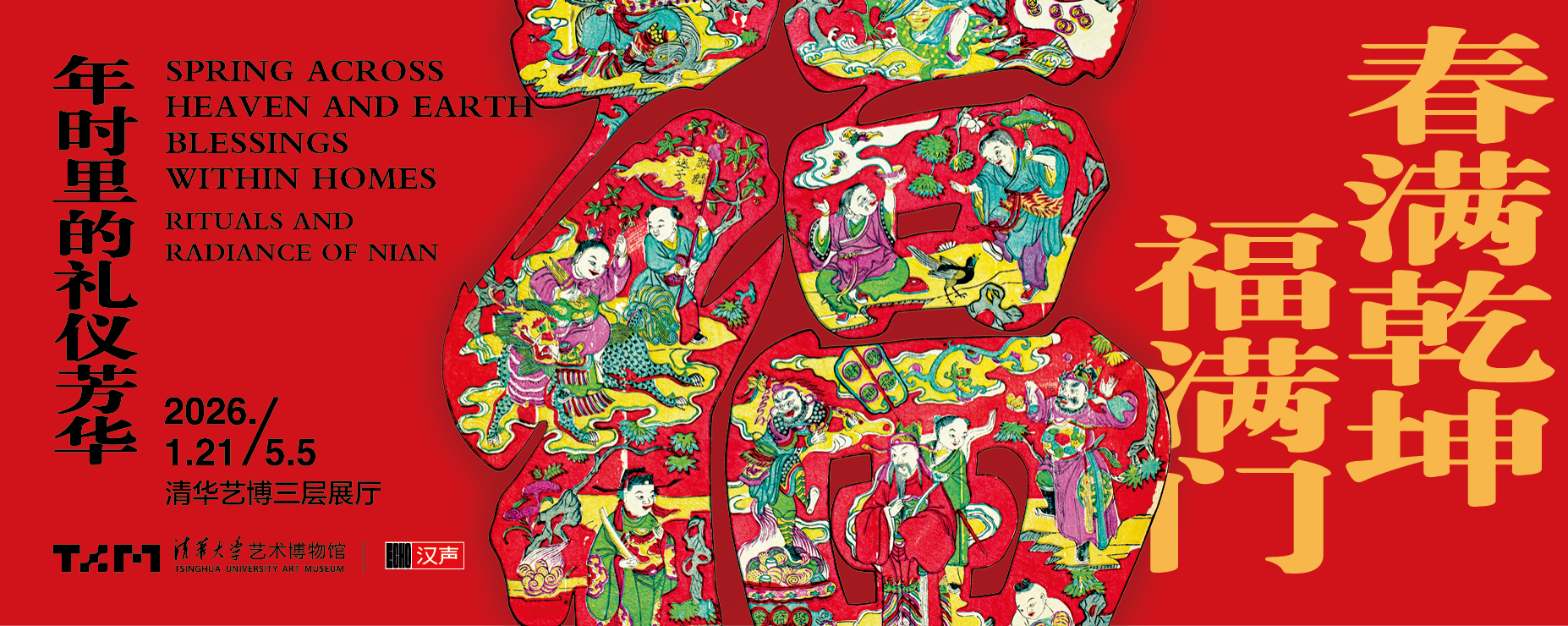
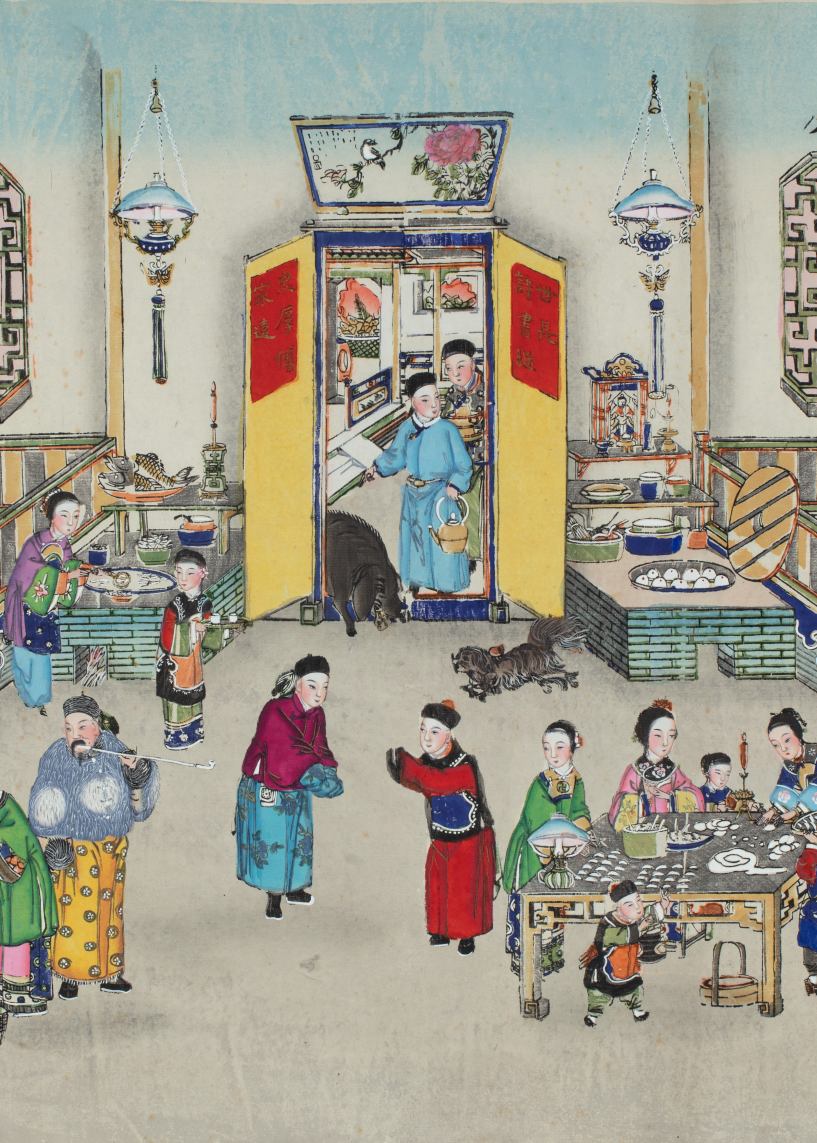
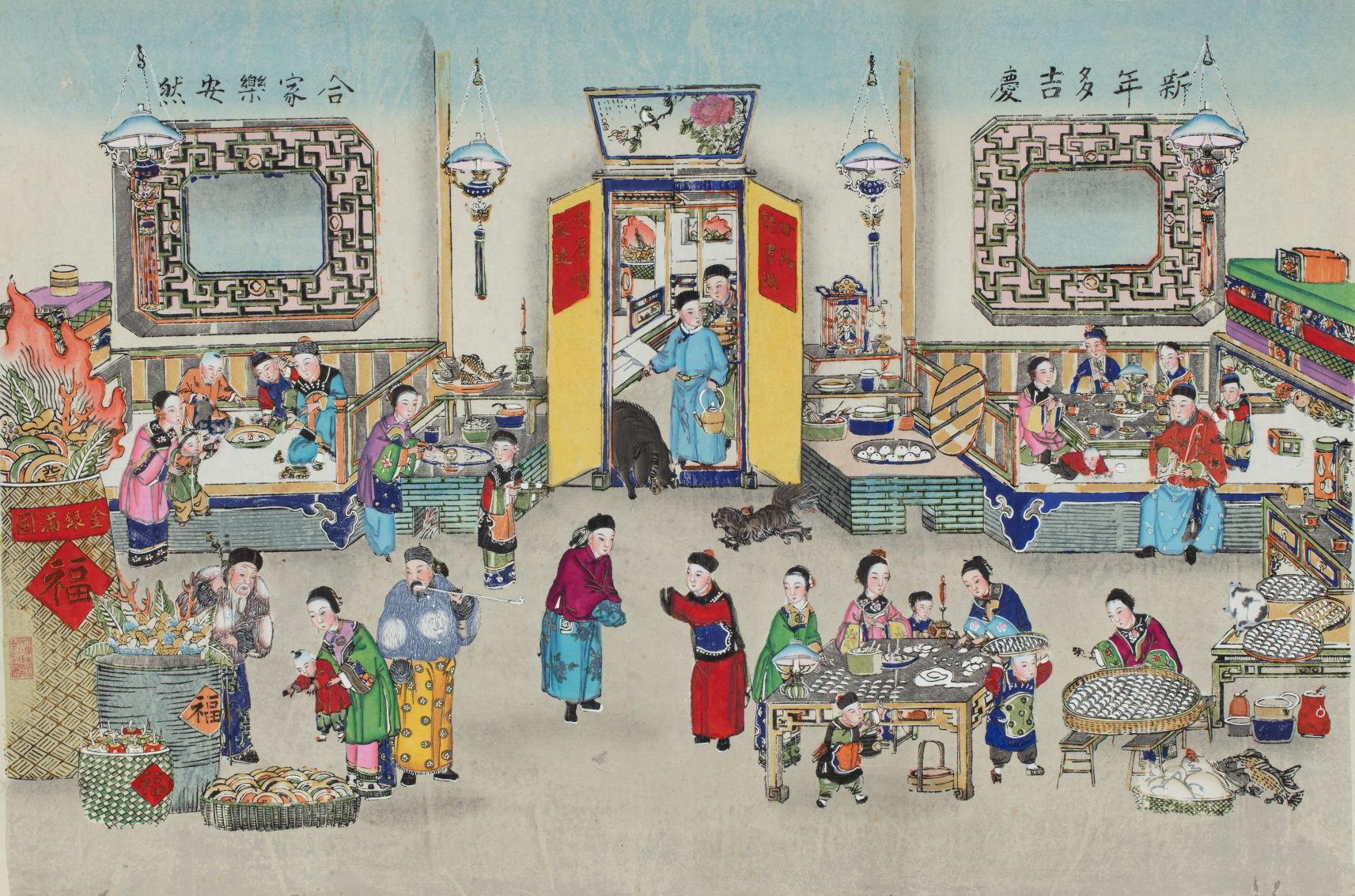
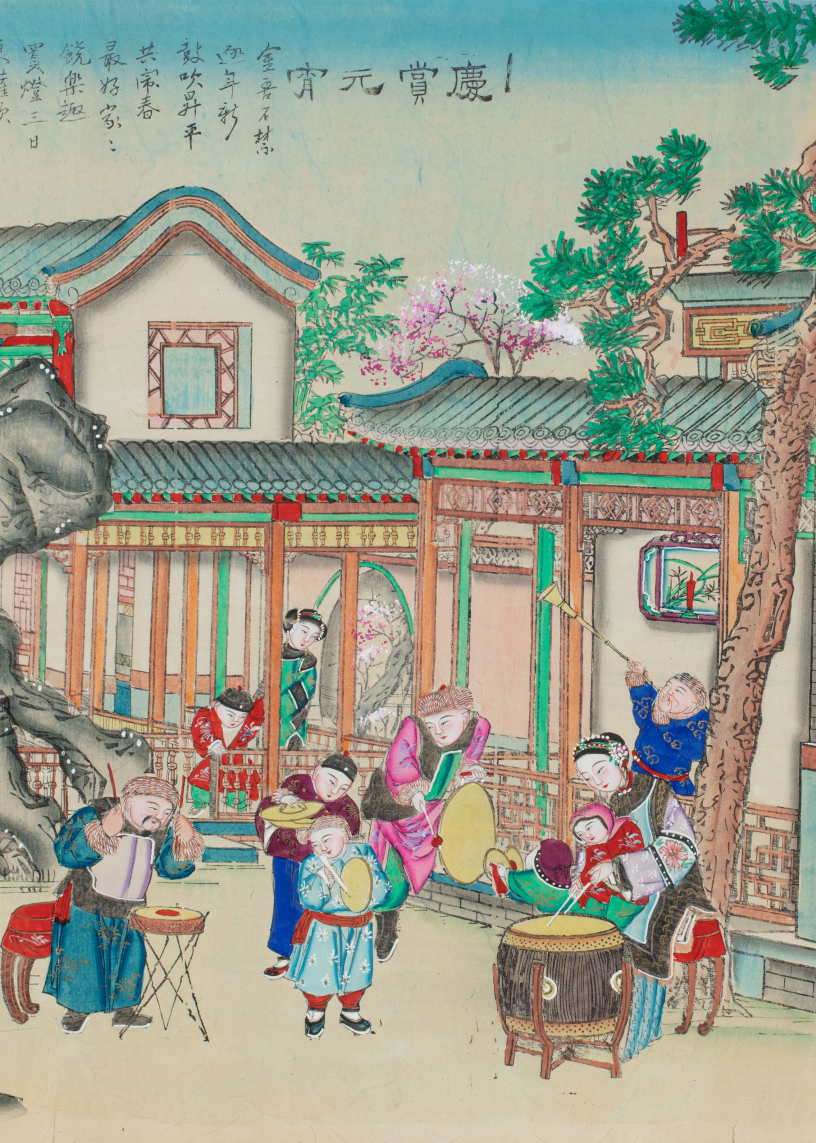
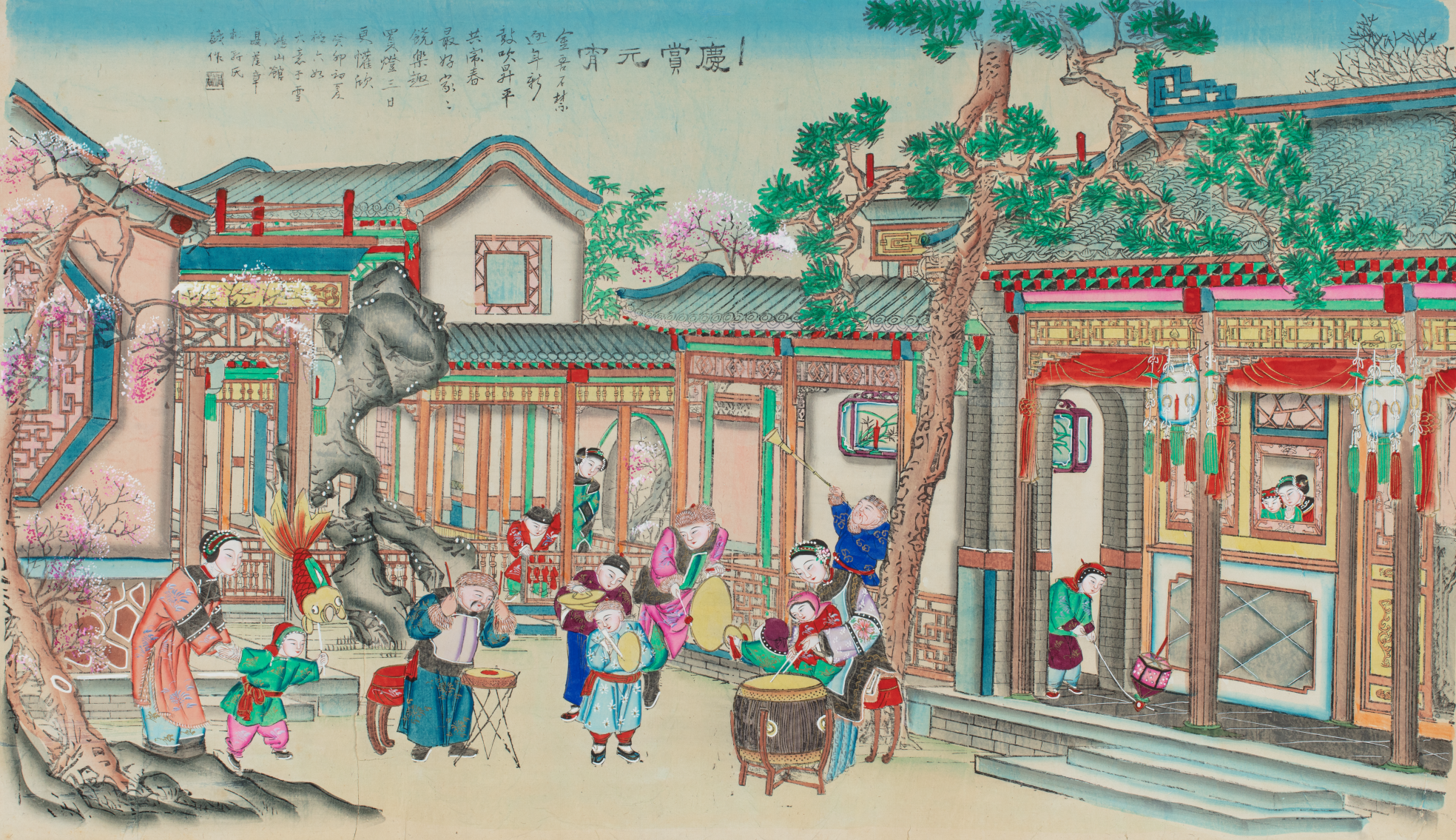
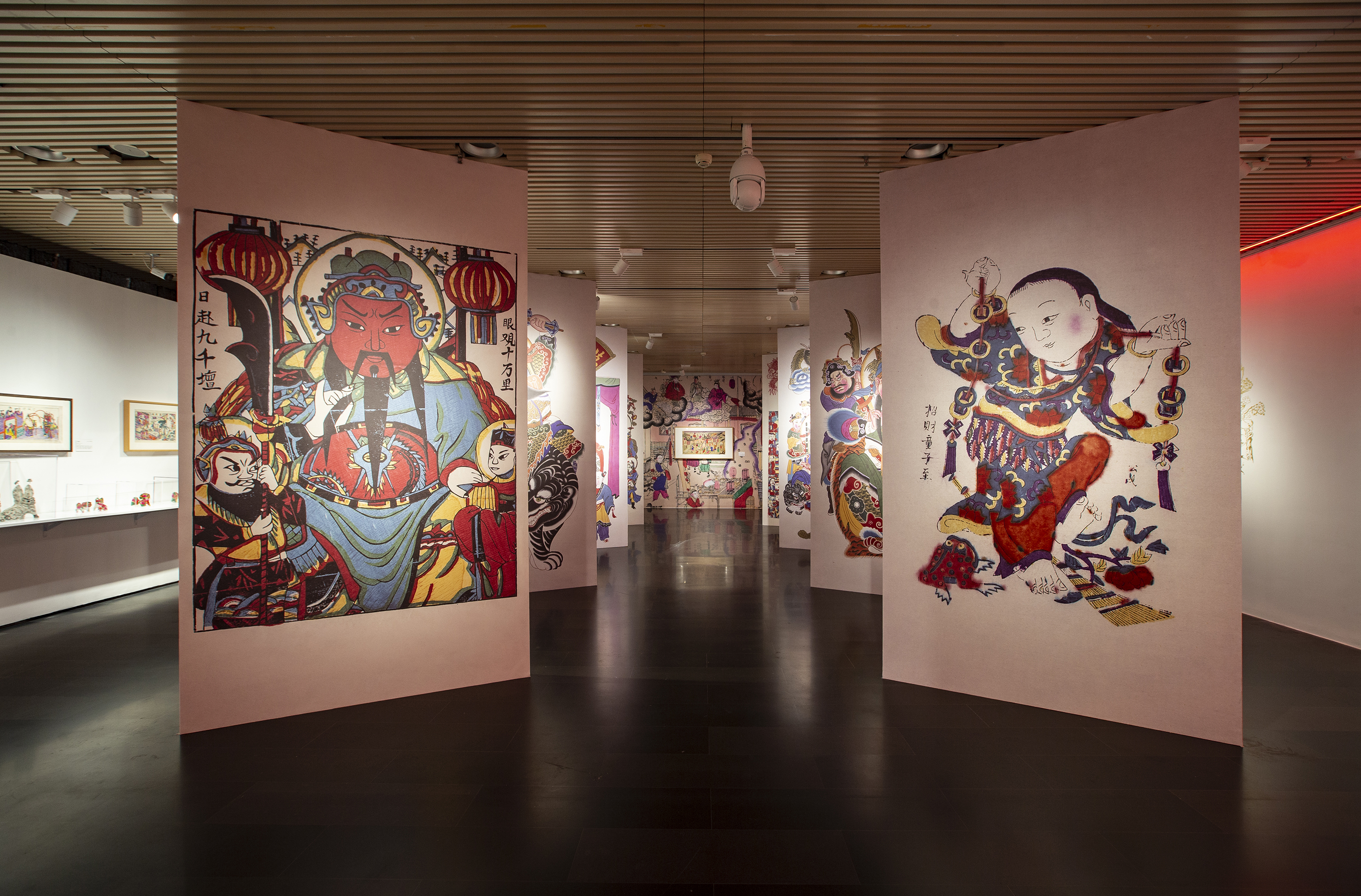
Nian or the New Year, is a complete cycle of time and space. From the Laba Festival to the Lantern Festival, each stage carries its own rituals and meanings, forming a deep emotional bond shared by Chinese people. It crystallizes collective memory, ethical sensibilities, and a philosophy of time. Through a set of widely recognized practices, people construct the temporal, spatial, and emotional framework of Nian. During this period, hopes and wishes for everyday life are brought into focus, gradually taking shape as auspicious phrases, patterns, and symbols. Embedded in daily life, touchable, perceptible, and edible, these expressions articulate an enduring pursuit of harmony, wholeness, and well-being.
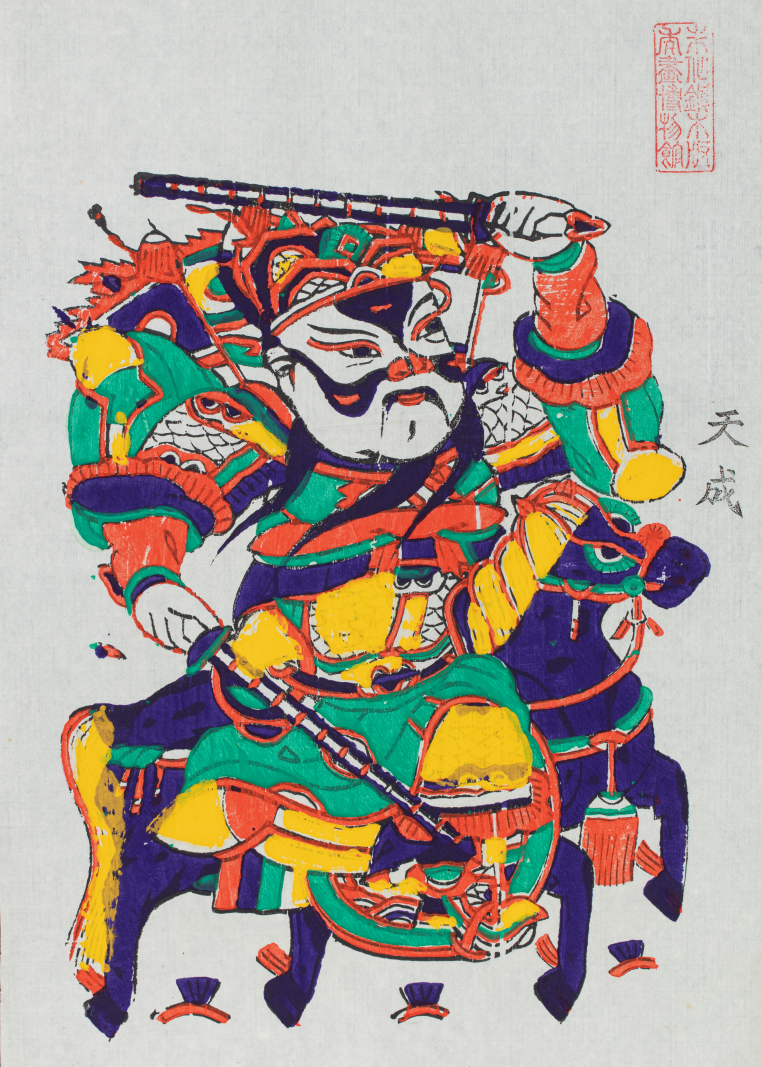
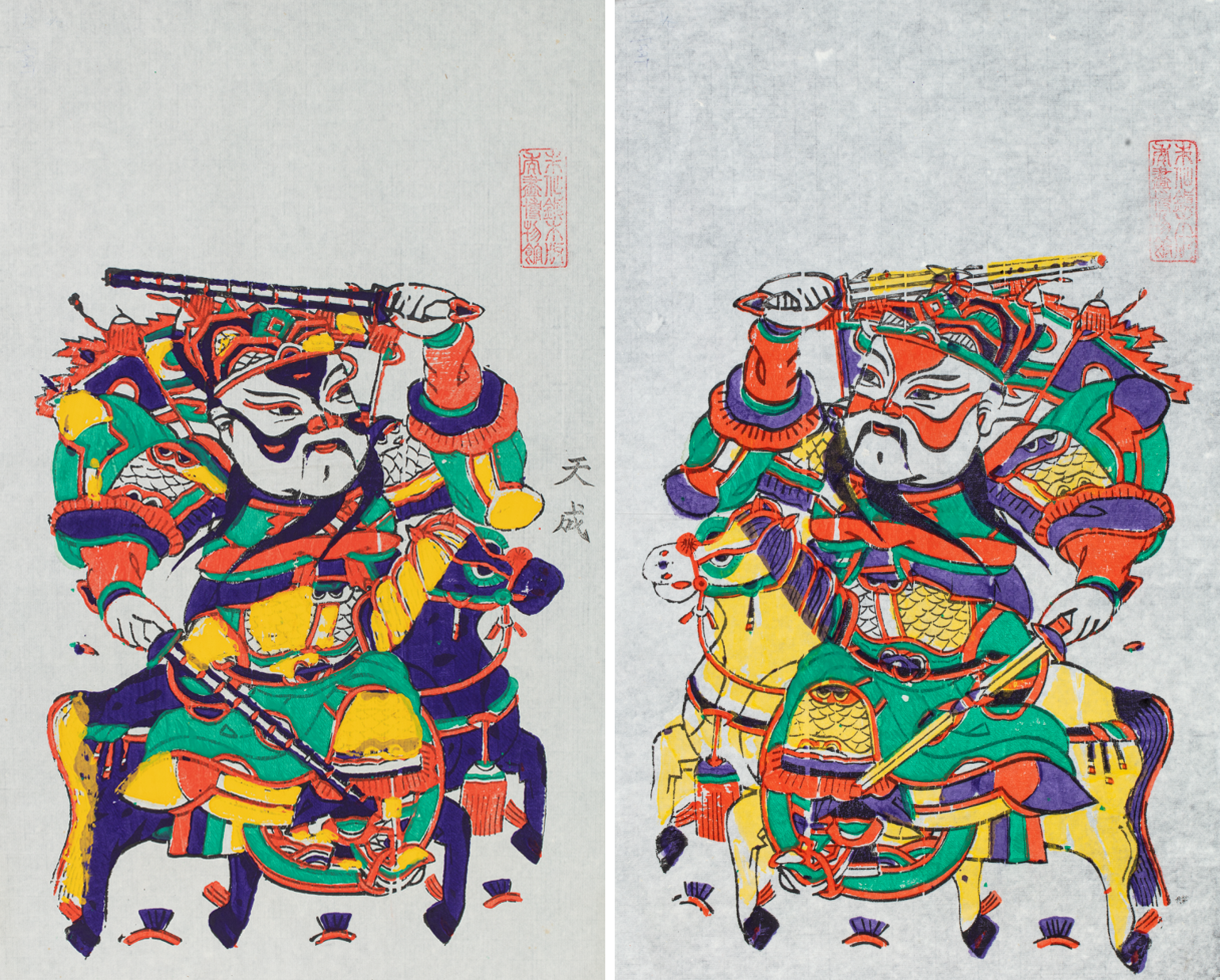
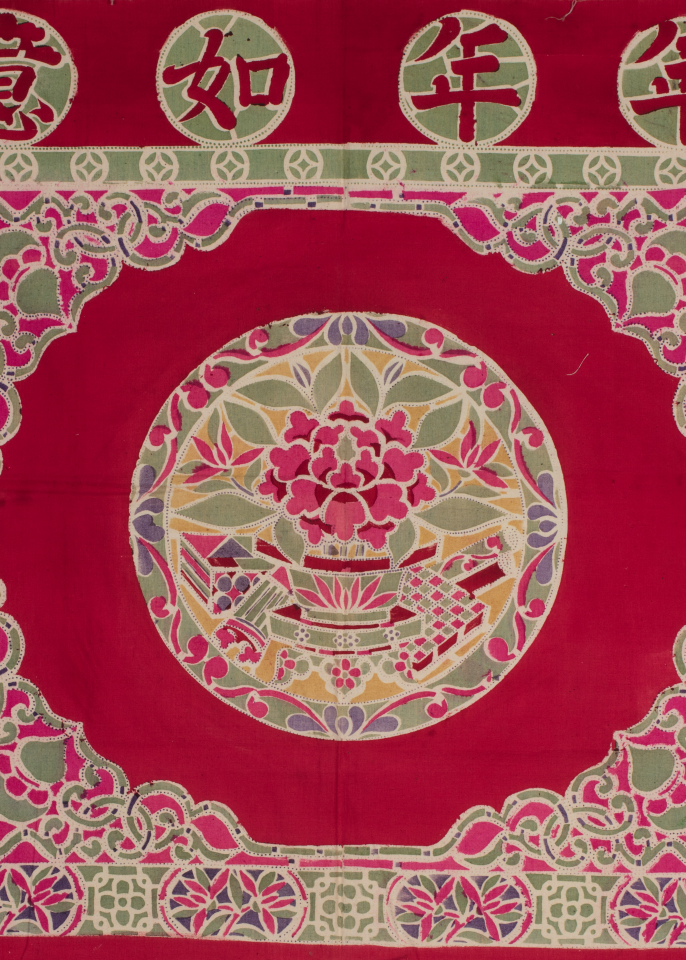
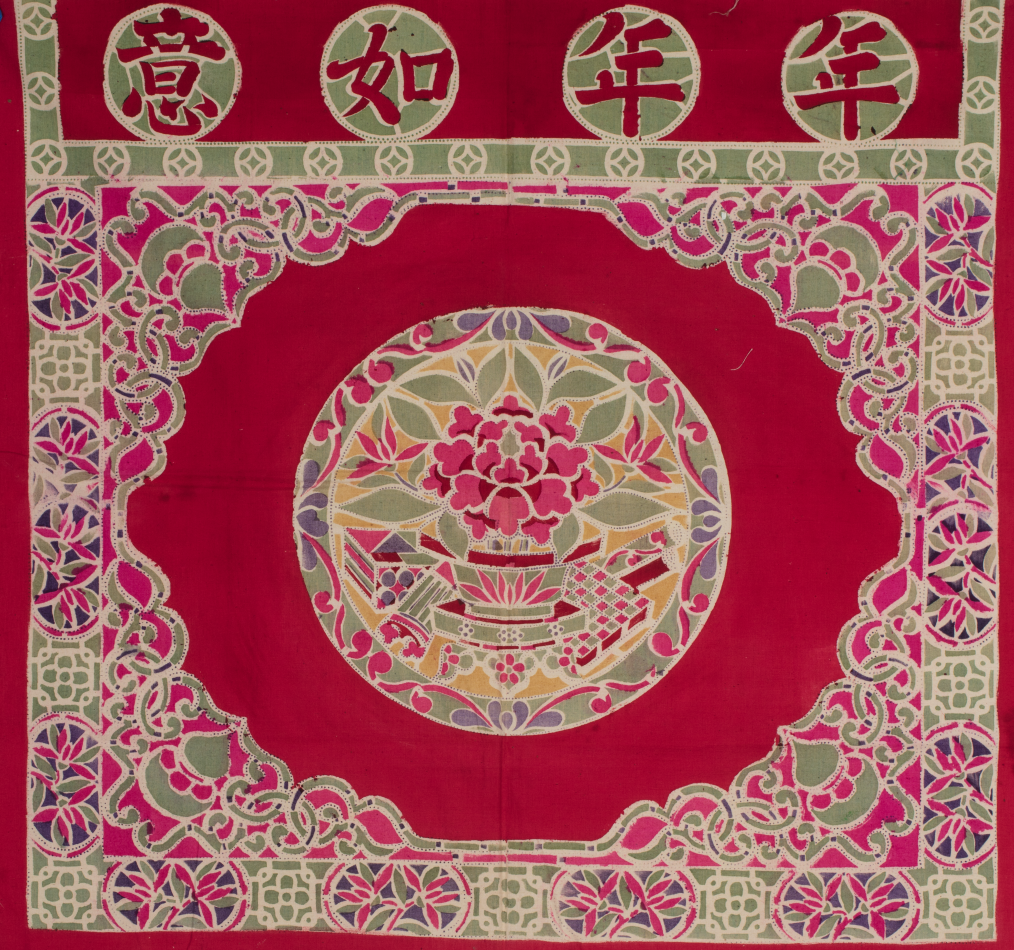
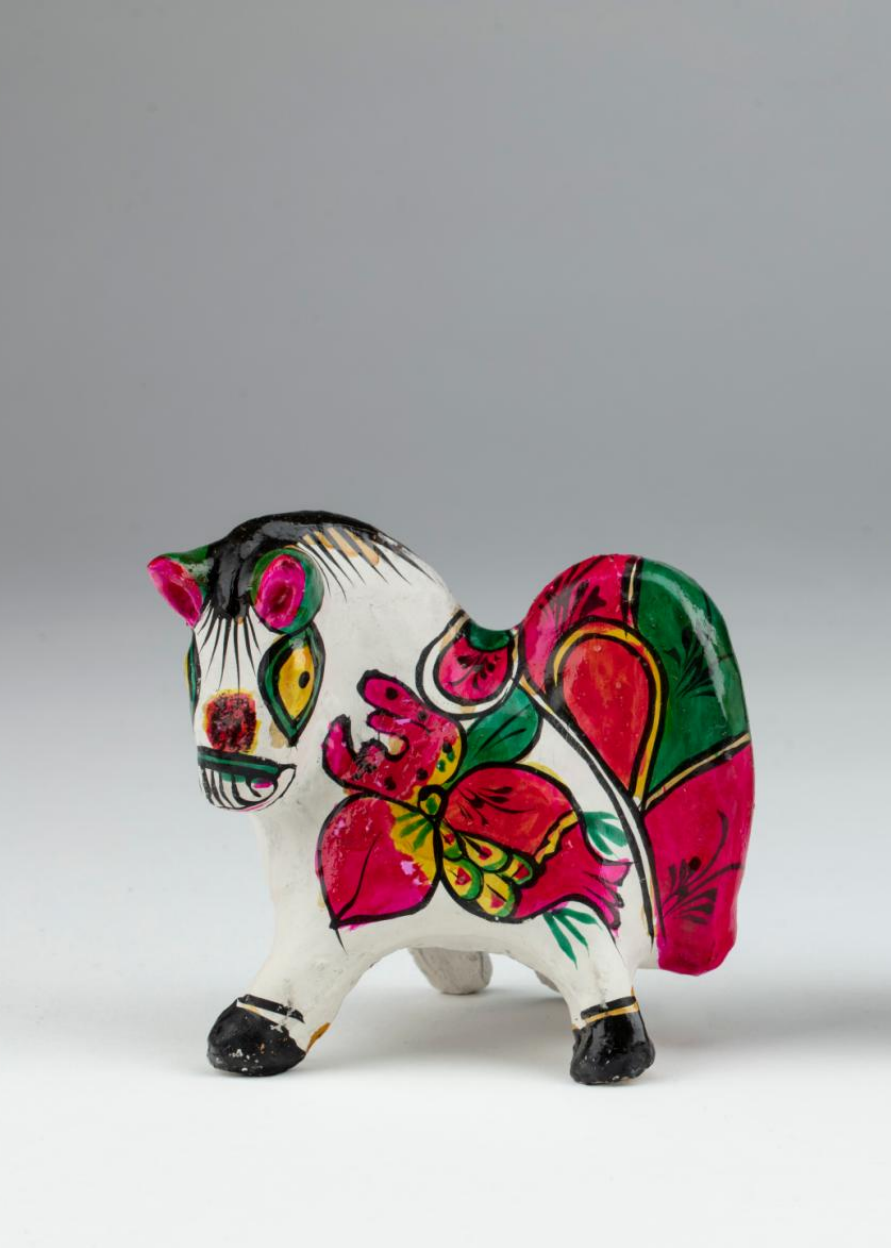
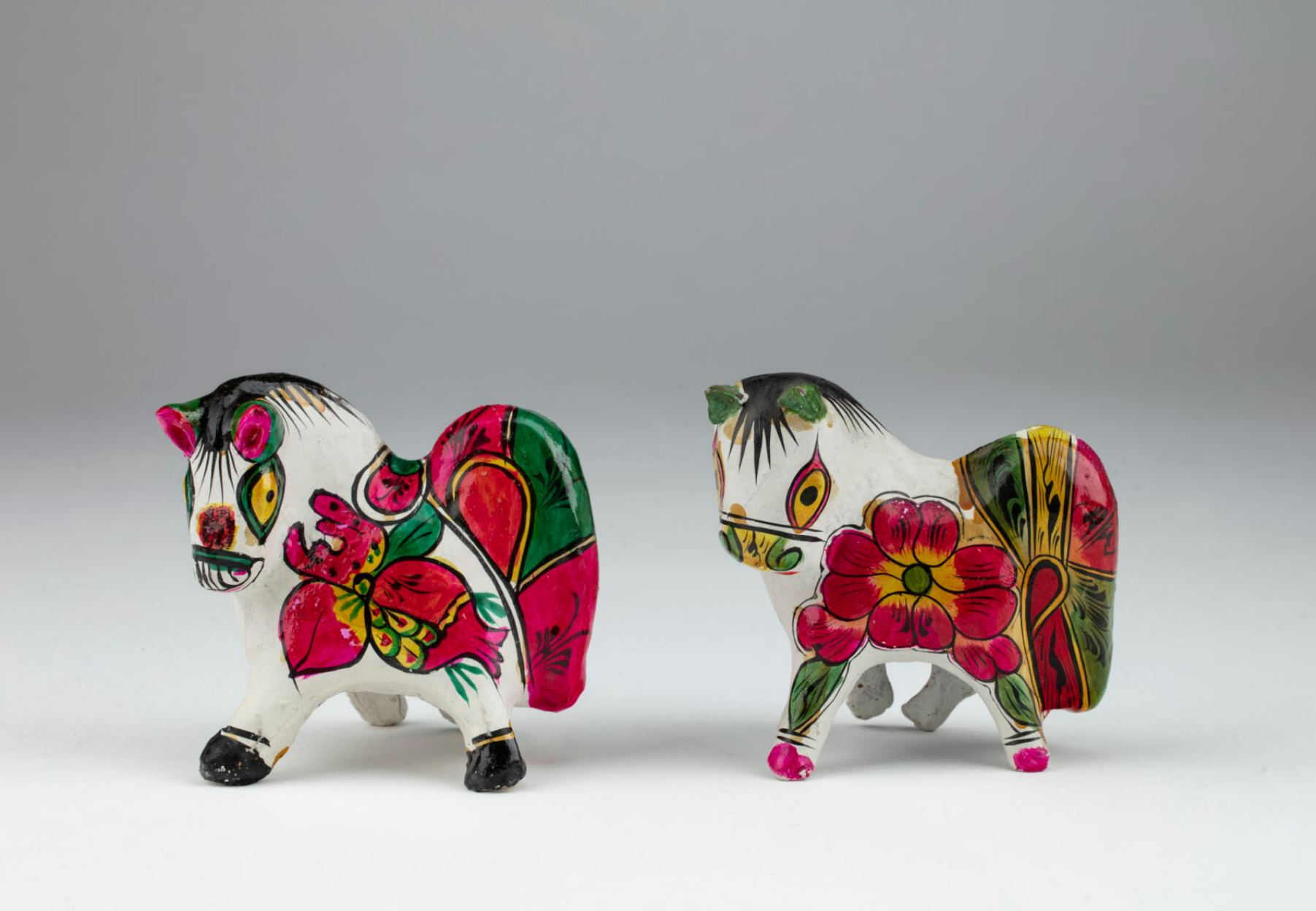
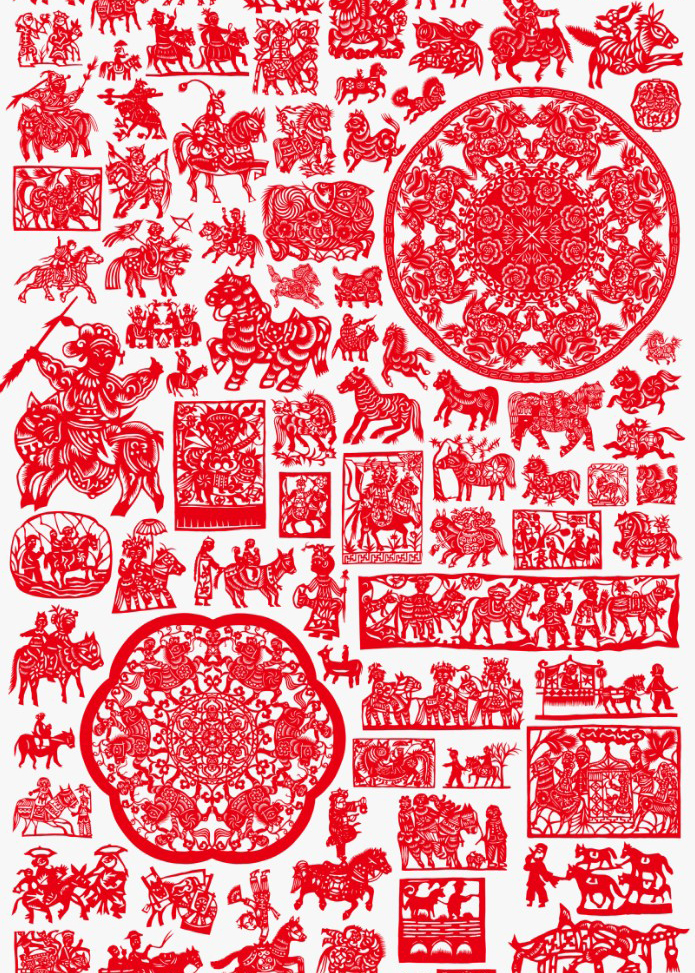
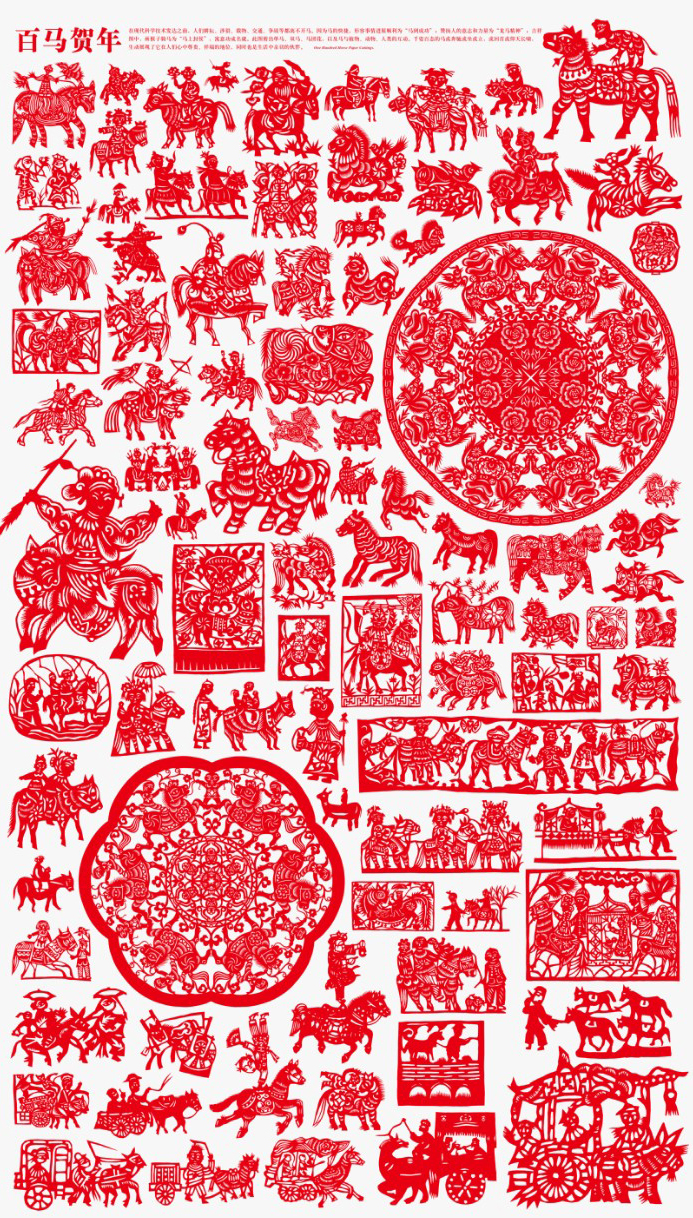
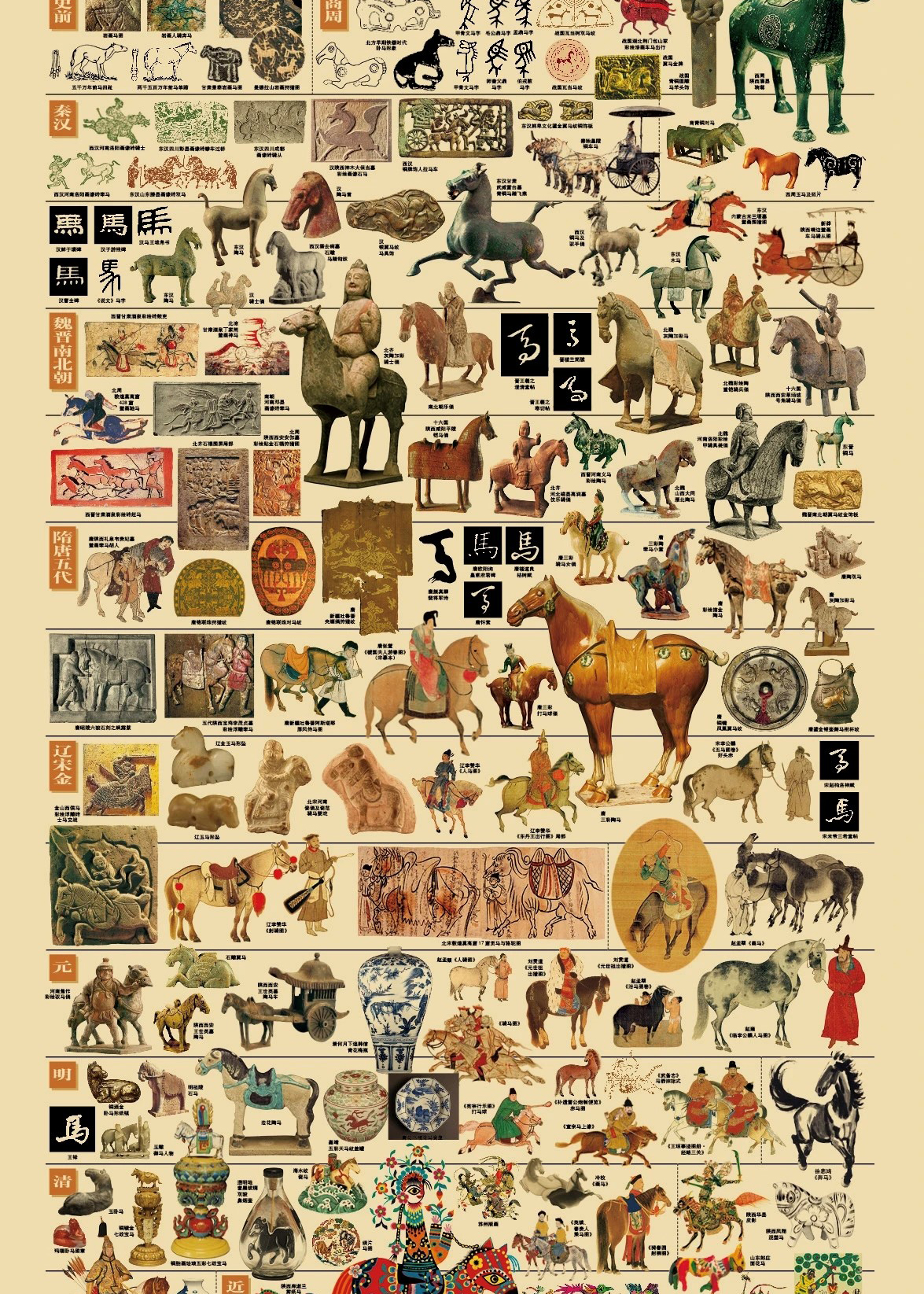
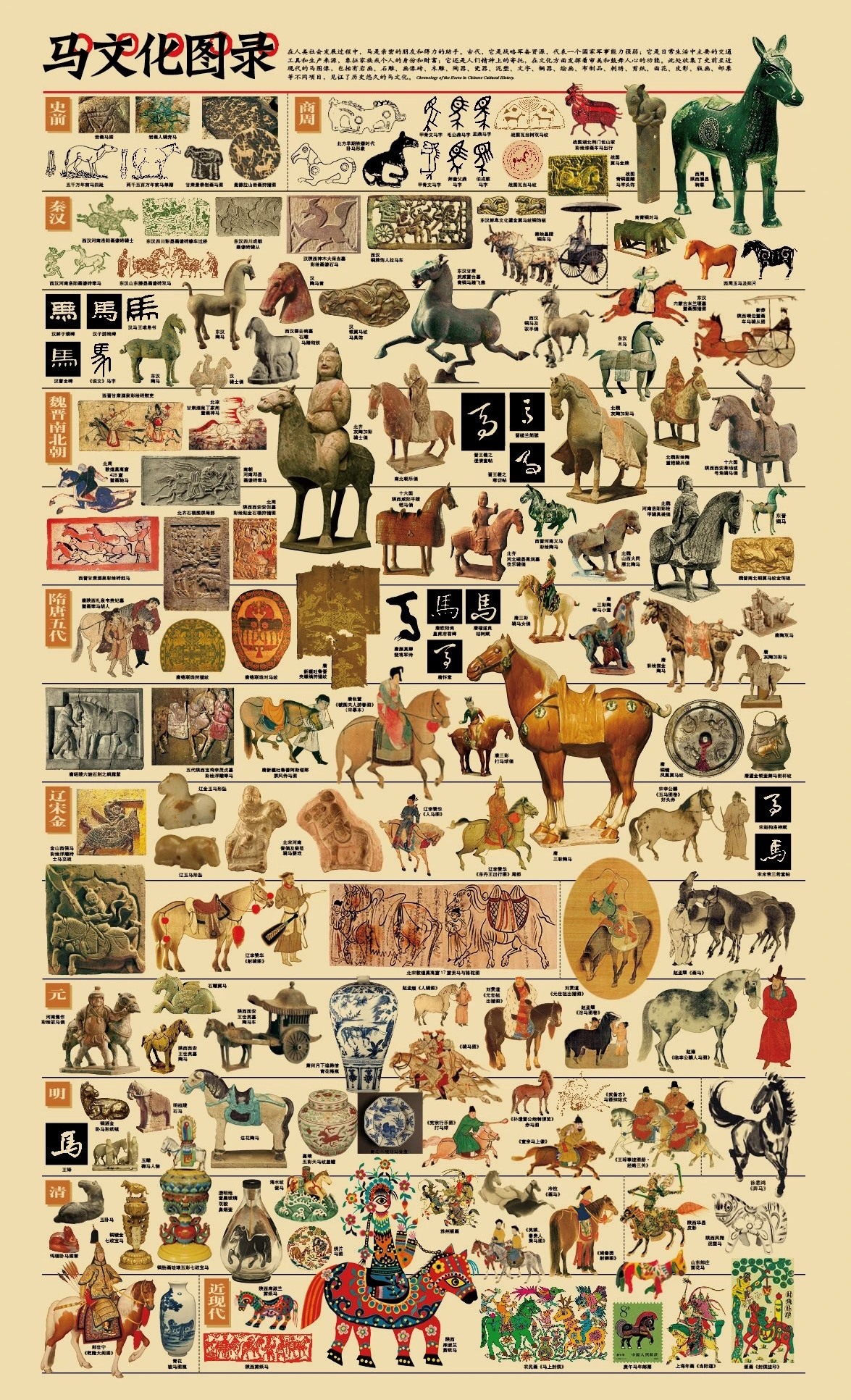
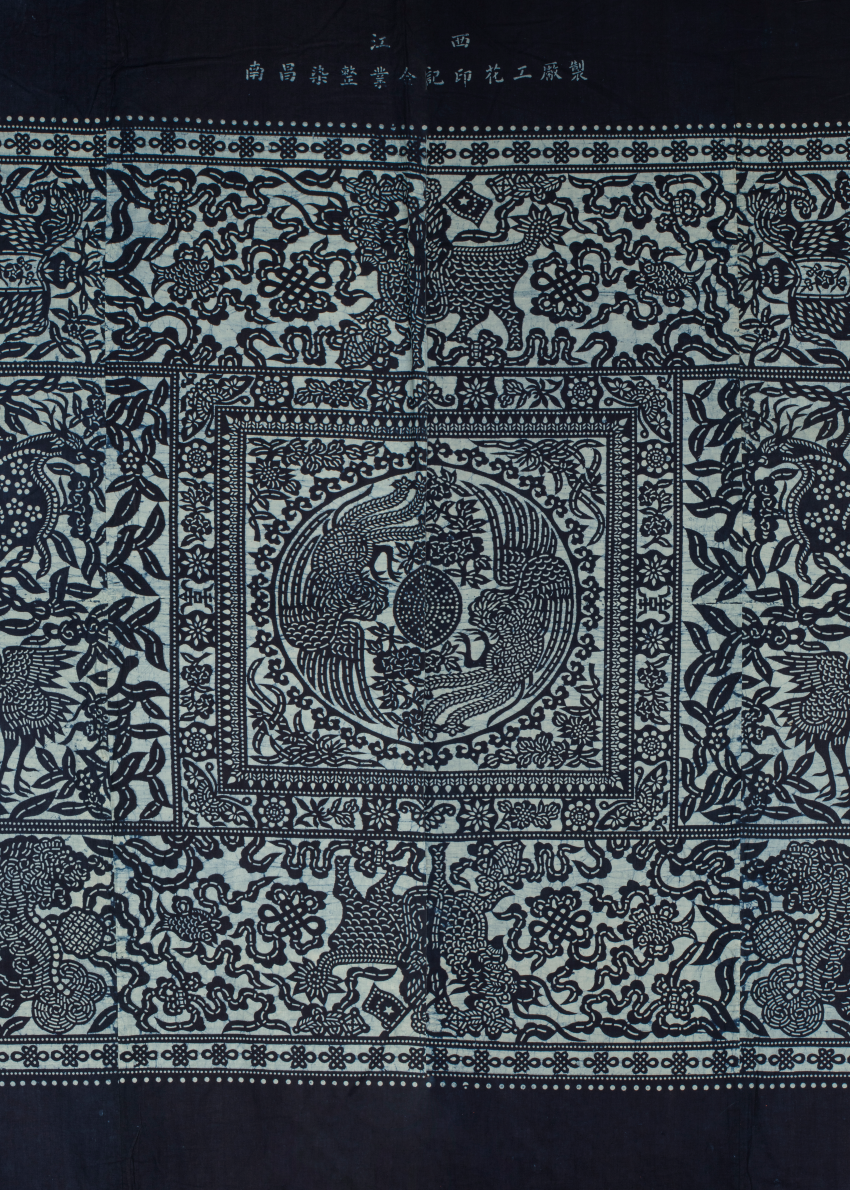
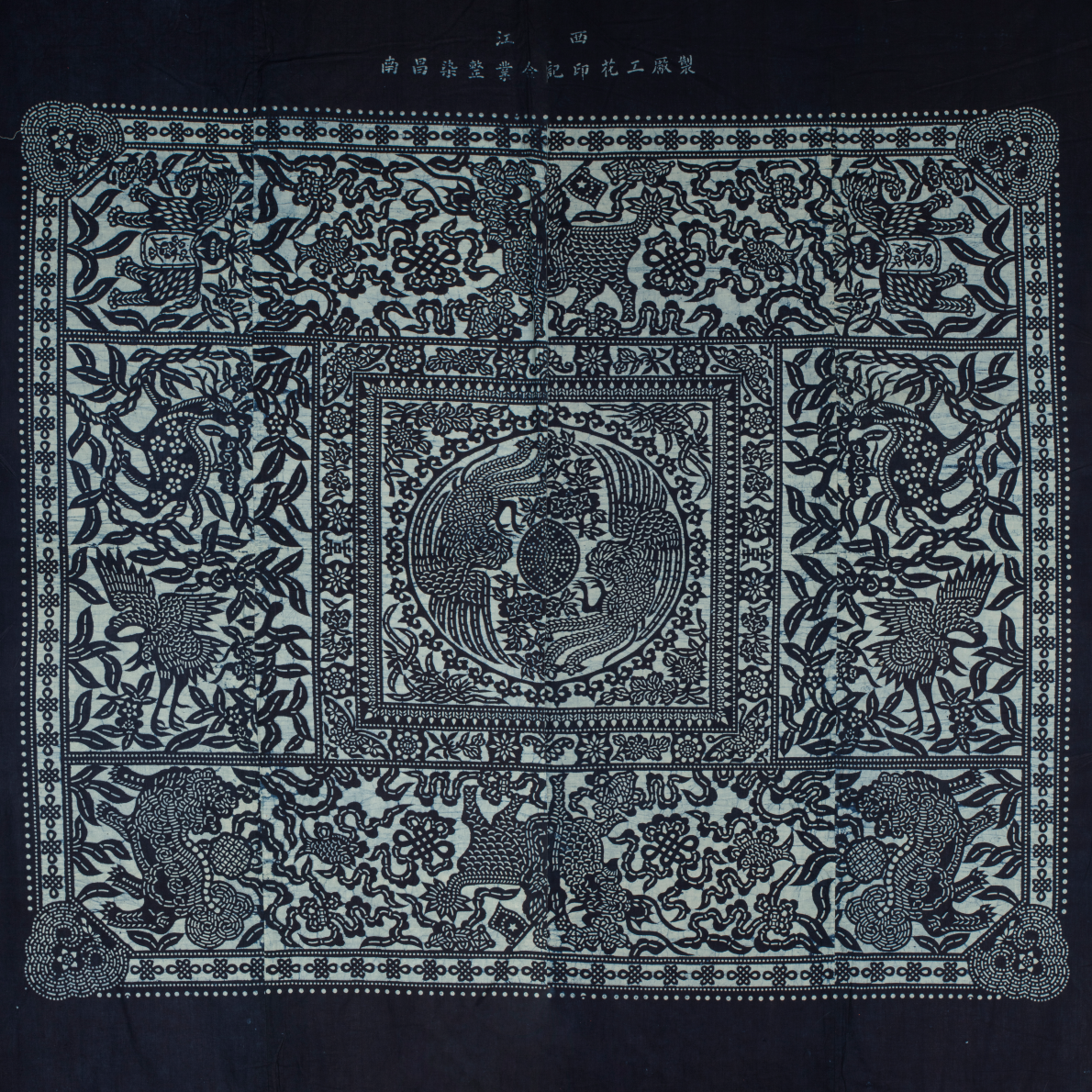
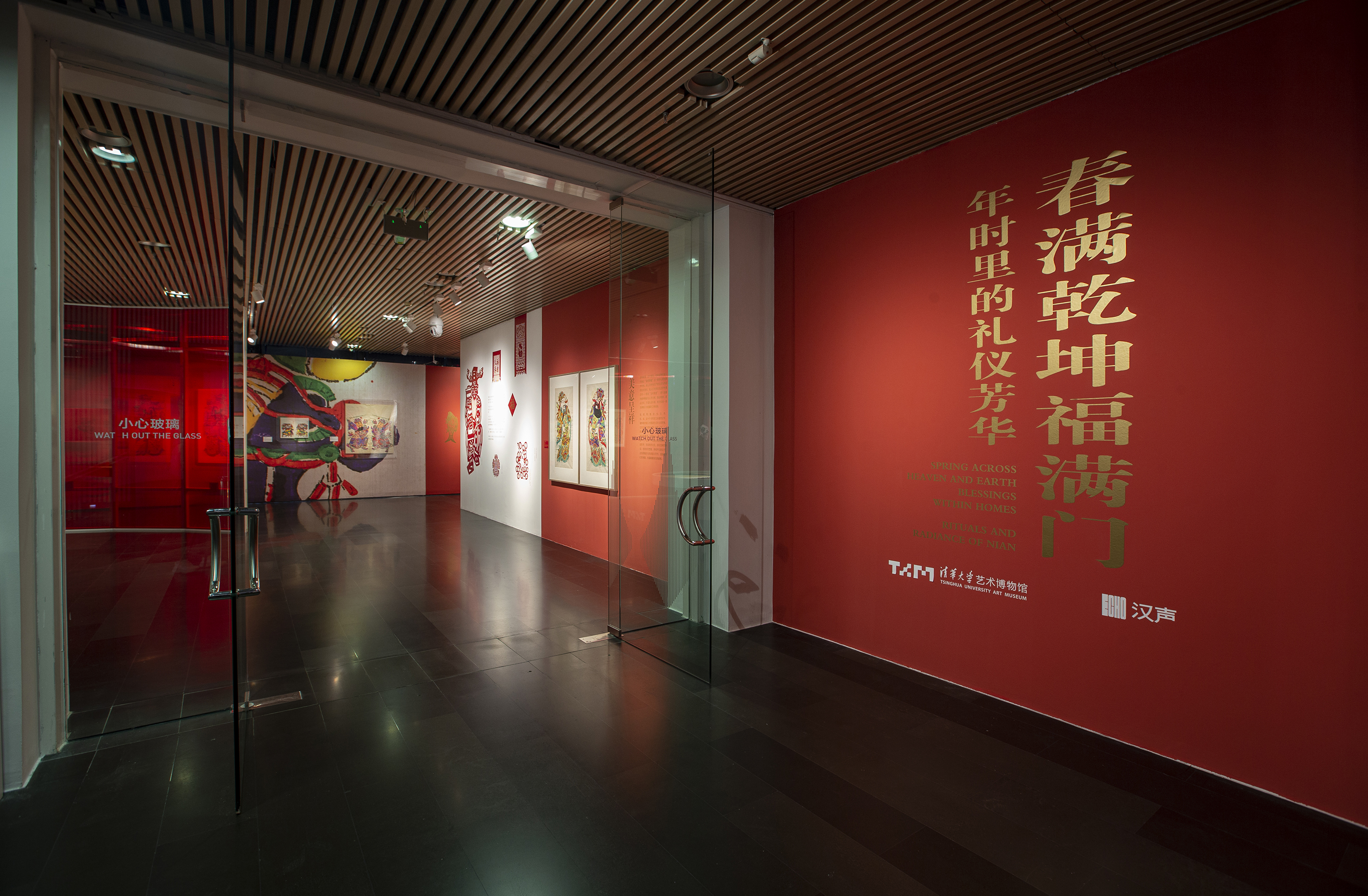
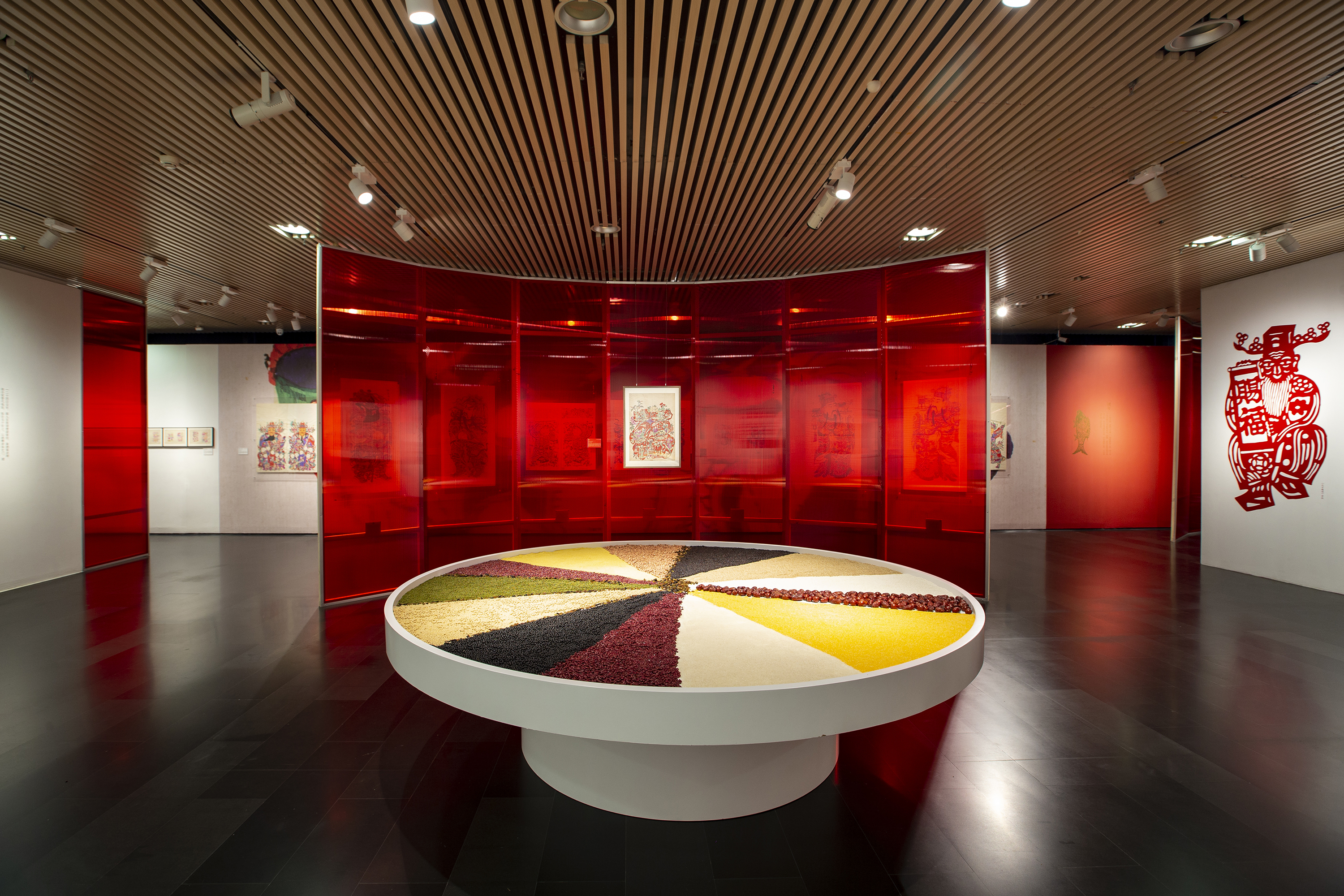
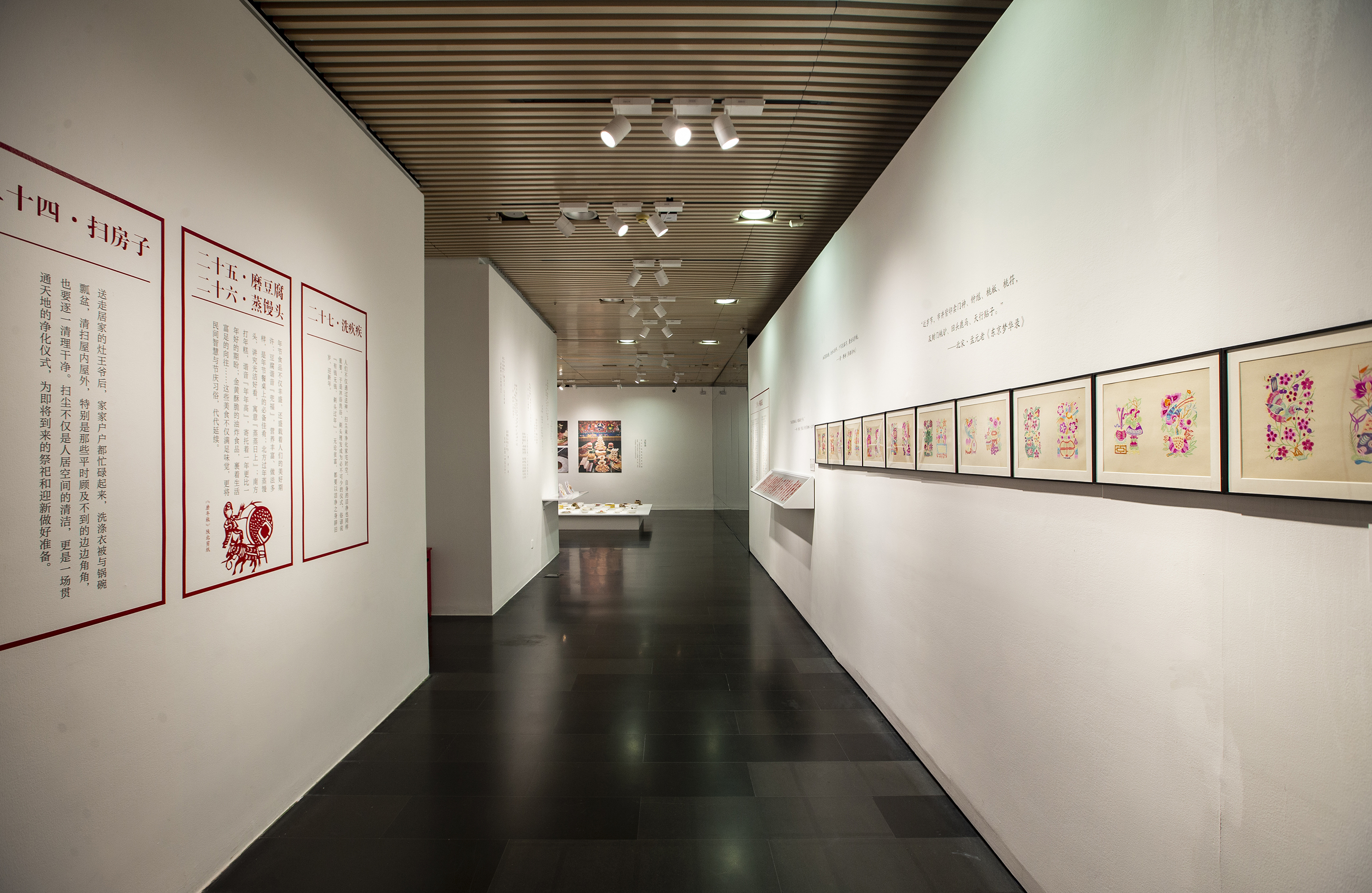
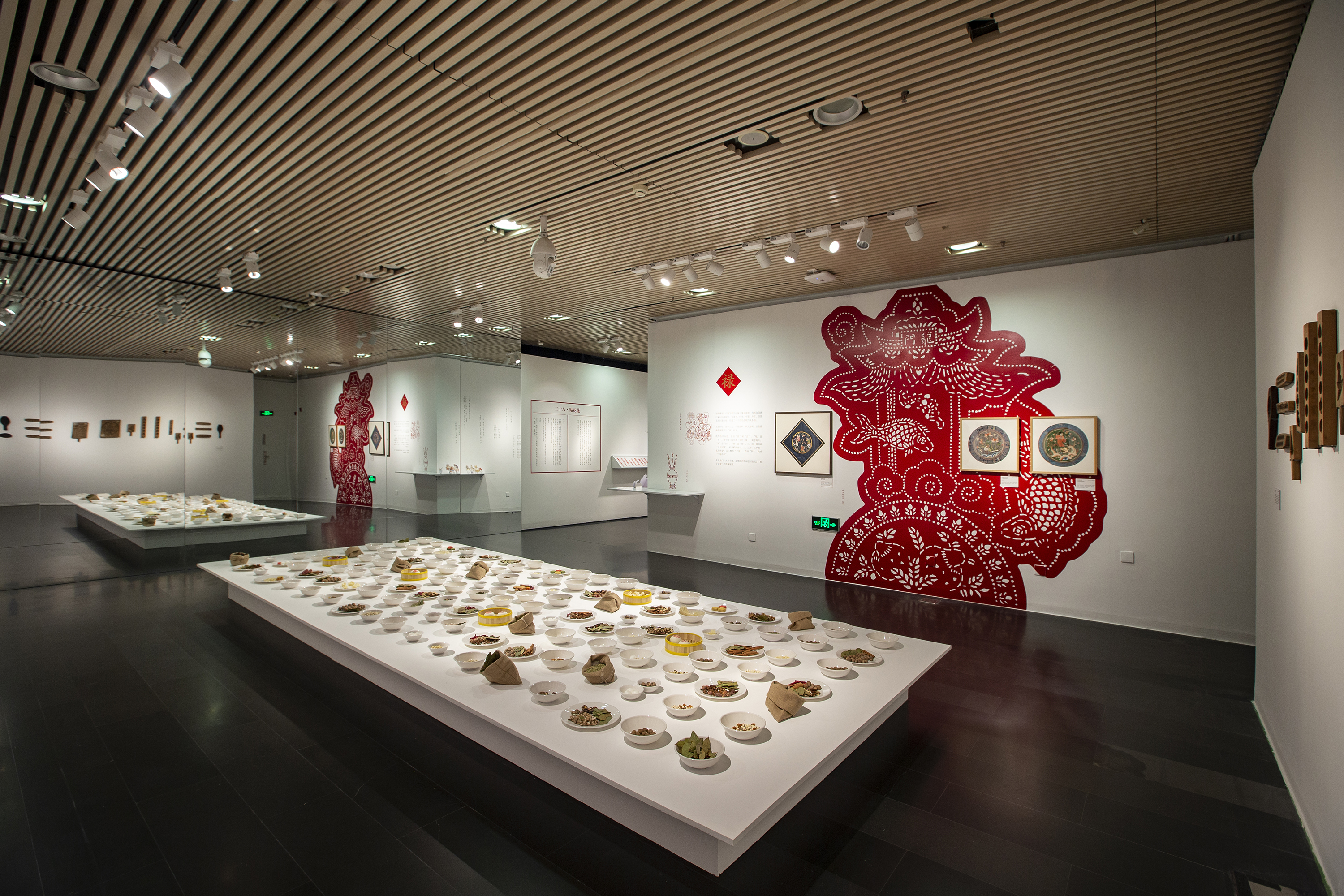
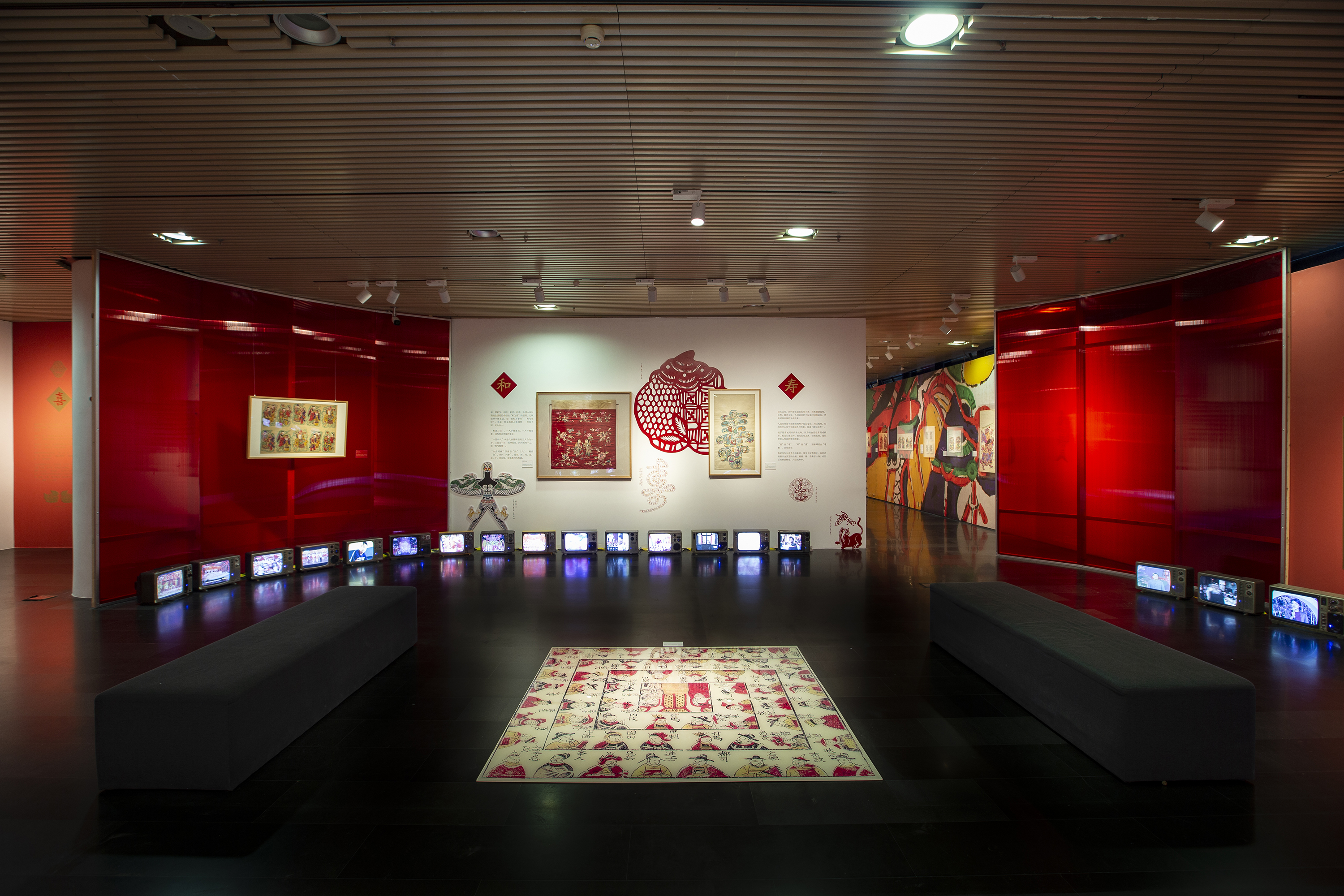
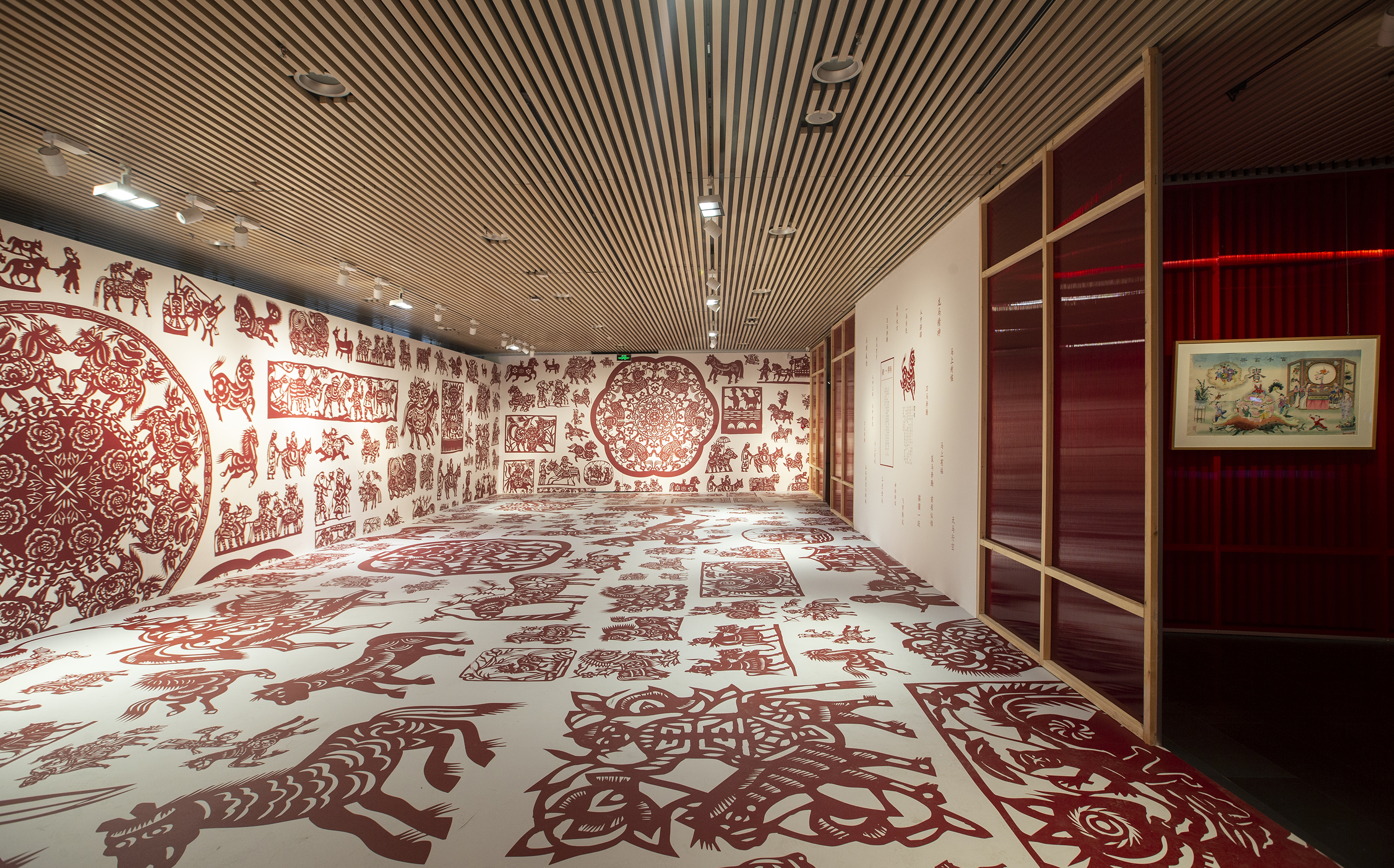
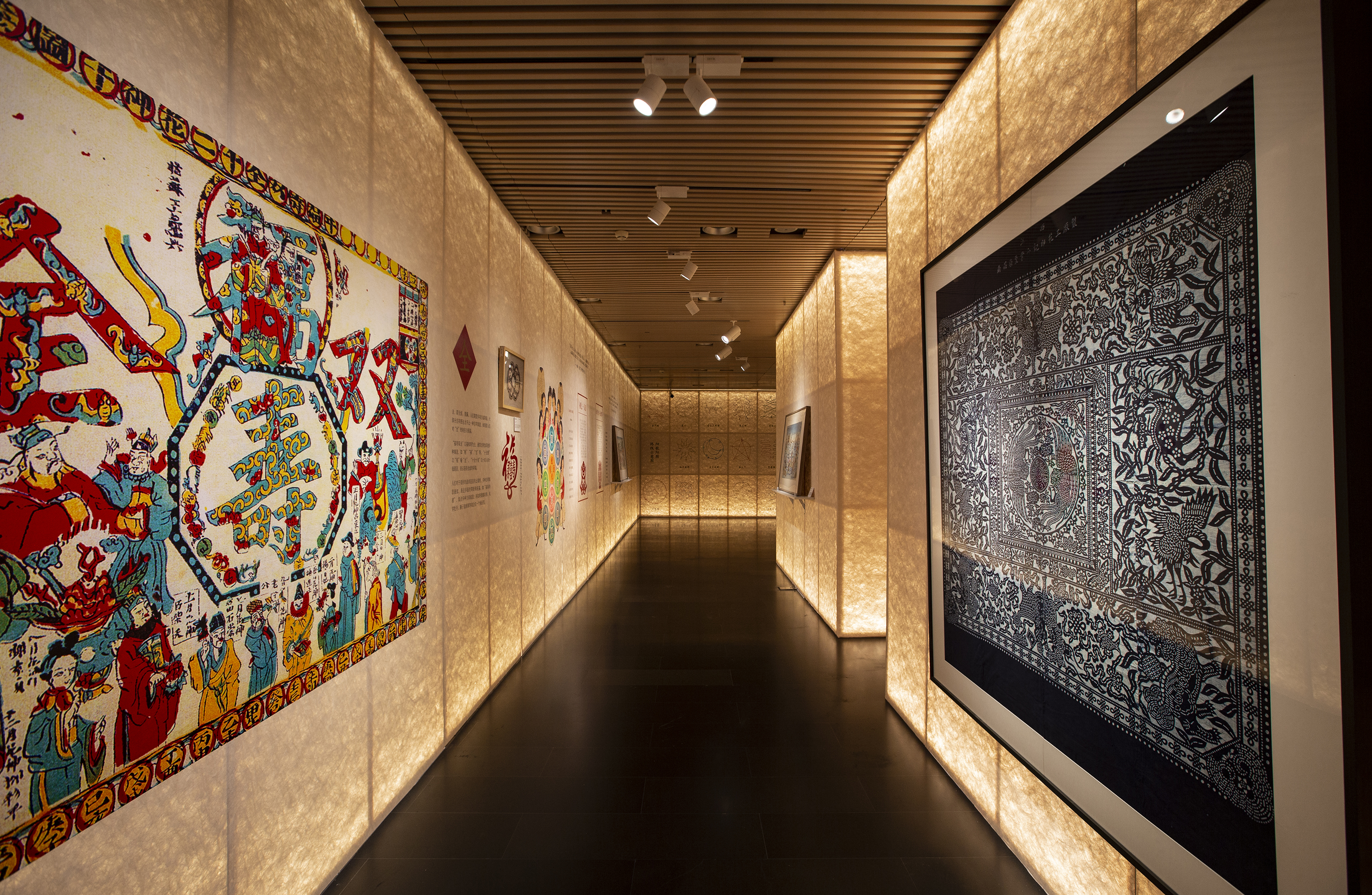
Centered on the Spring Festival, this exhibition brings together more than 150 items from the collections of Tsinghua University Art Museum, and incorporates hundreds of images from Echo Magazine’s “Chinese Traditional Folk Culture Gene Bank”. Through three sections: The Time-Honored Flavor of Nian, A Millennium of the Horse, and Good Fortune and Auspicious Wishes, the exhibition presents parallel narratives along the timeline of Nian, and explores the deeper meanings behind its festive flavor. By placing the art history of objects in sustained dialogue with the culture of everyday folk life, the exhibition offers a full analysis of New Year customs, ethical emotions, and artistic expression, and also traces the cultural context of the zodiac animal for 2026: the Horse.In this exhibition, we place “things” (cultural relics) alongside “events” (folk customs), bring the “refined” (museum collections) into conversation with the “vernacular” (field traditions), and link “the old” (tradition) with “the now” (the contemporary). Through a series of exhibitions, we aim to sort through and revitalize China’s outstanding traditional folk culture, reveal the life wisdom, aesthetic ideas, and spiritual world within them, and build a bridge for dialogue between tradition and modern life.