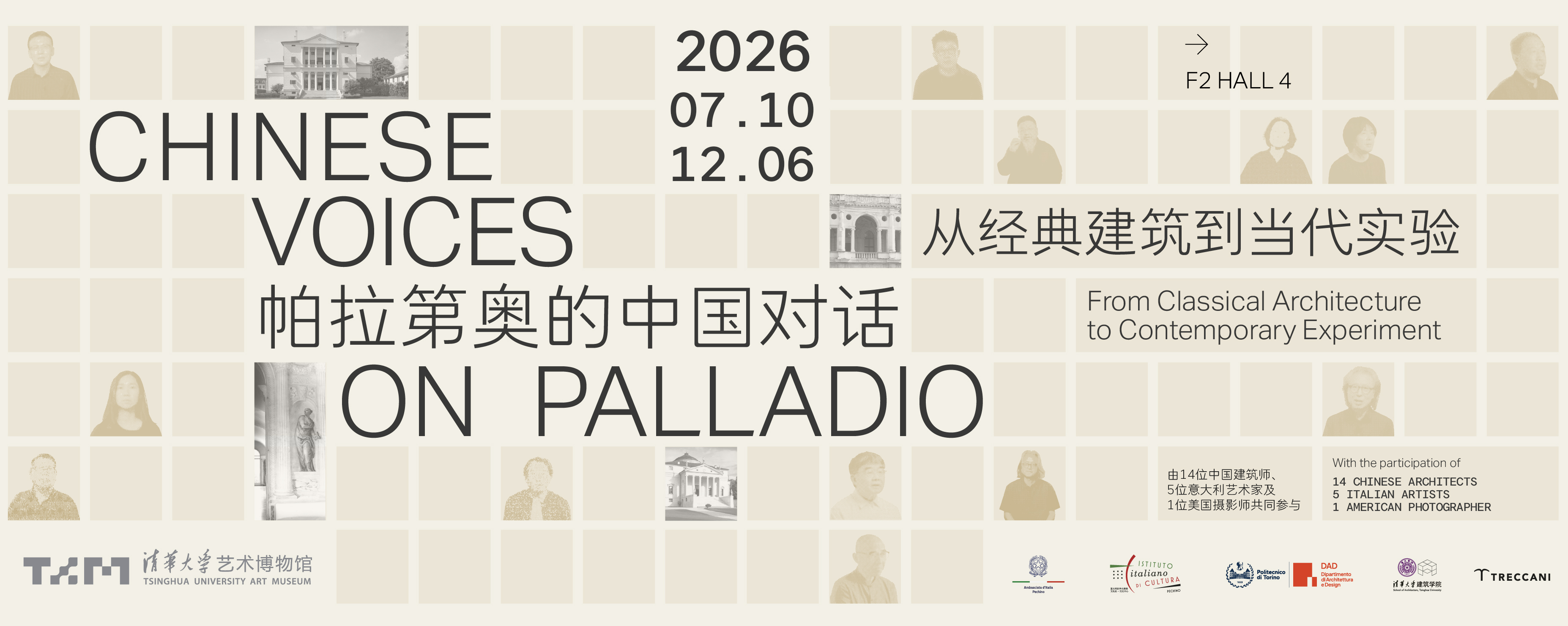
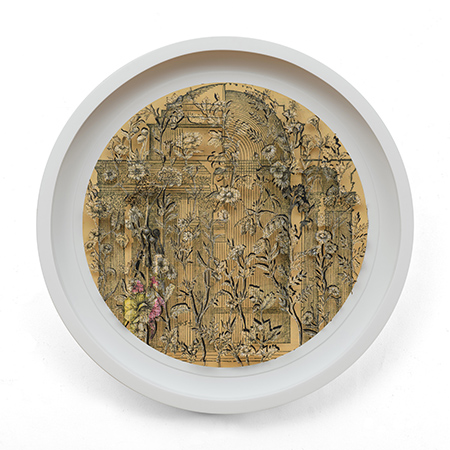
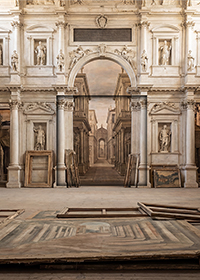
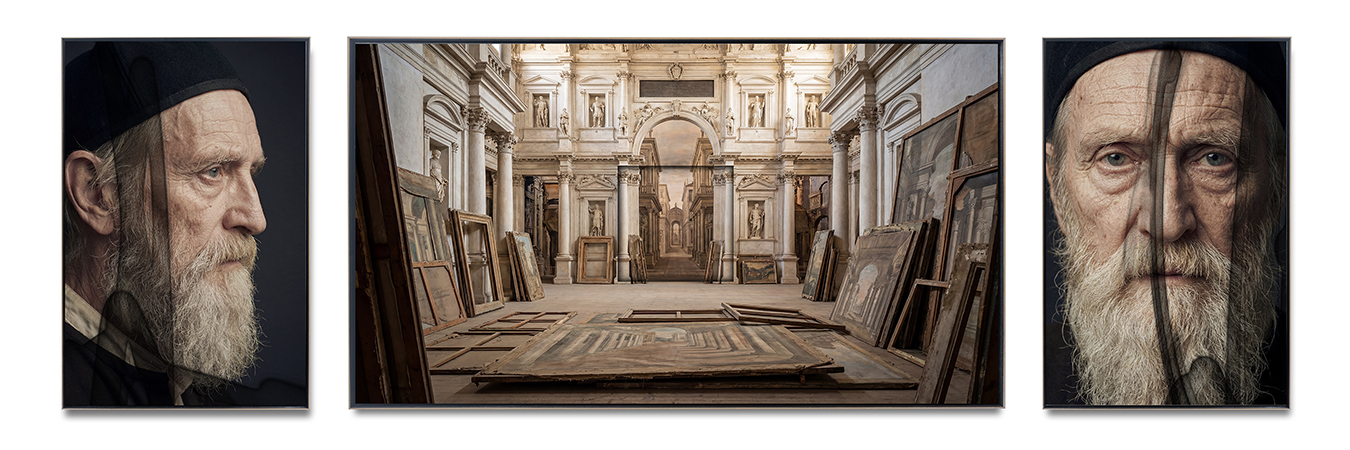
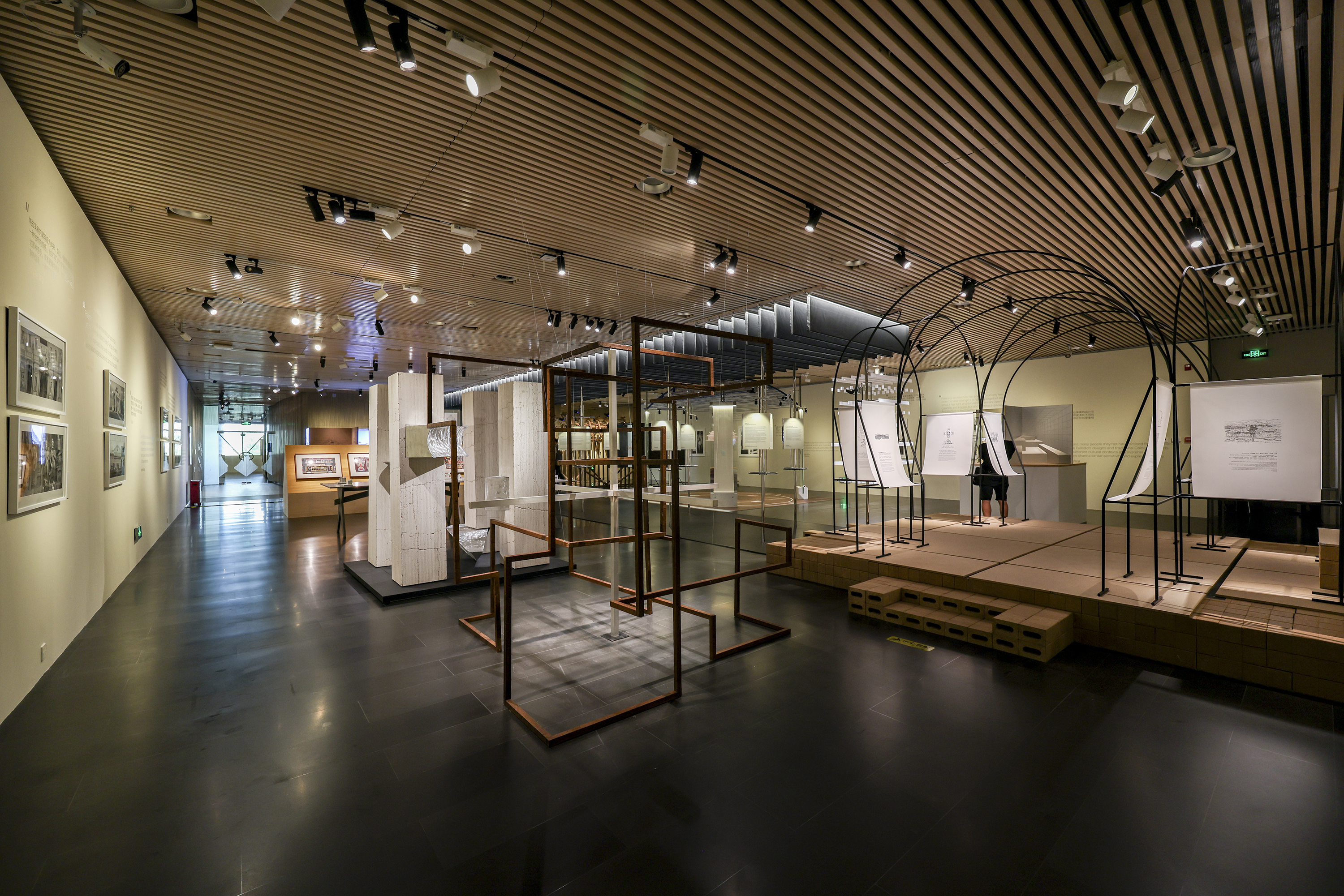
Chinese Voices on Palladio explores the enduring relevance of Andrea Palladio's architectural thought through the perspectives of contemporary Chinese architecture and Italian contemporary art. Curated by the Department of Architecture and Design of Politecnico di Torino, co-organized with Tsinghua University Art Museum and the School of Architecture of Tsinghua University, with the support of the Institute of the Italian Encyclopaedia Treccani, the exhibition is the result of a collaborative research project between Italy and China. It brings Palladio's ideas into dialogue with some of the most influential voices in contemporary architecture and art, revealing their continuing resonance across cultures and disciplines.
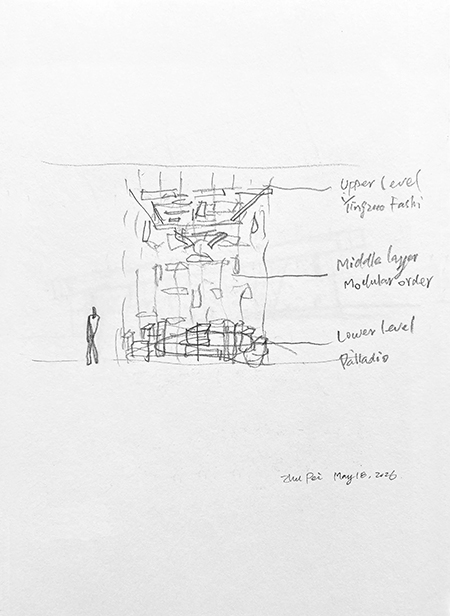
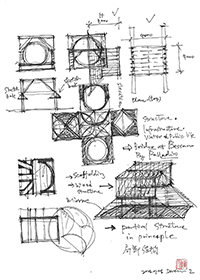
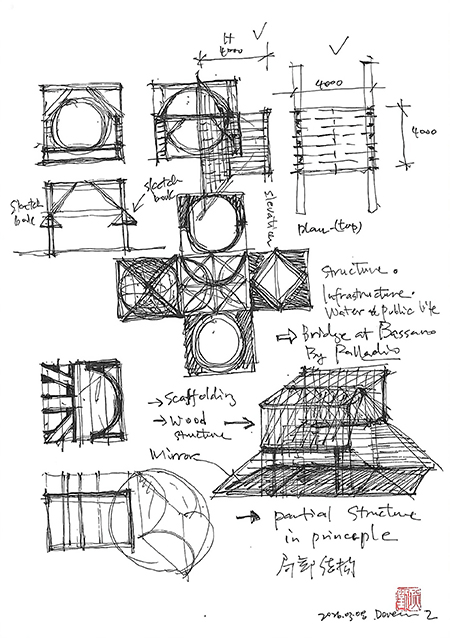
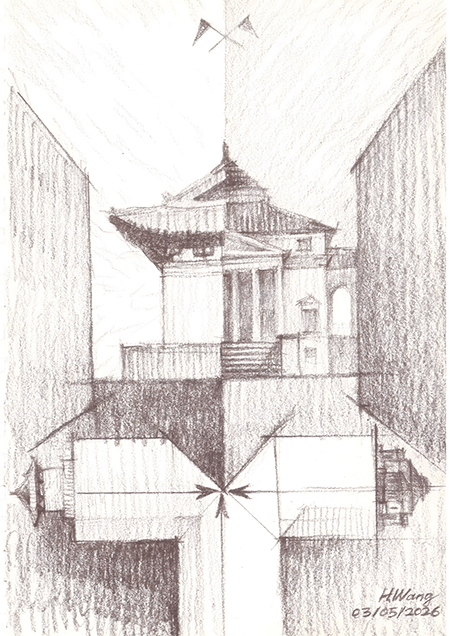
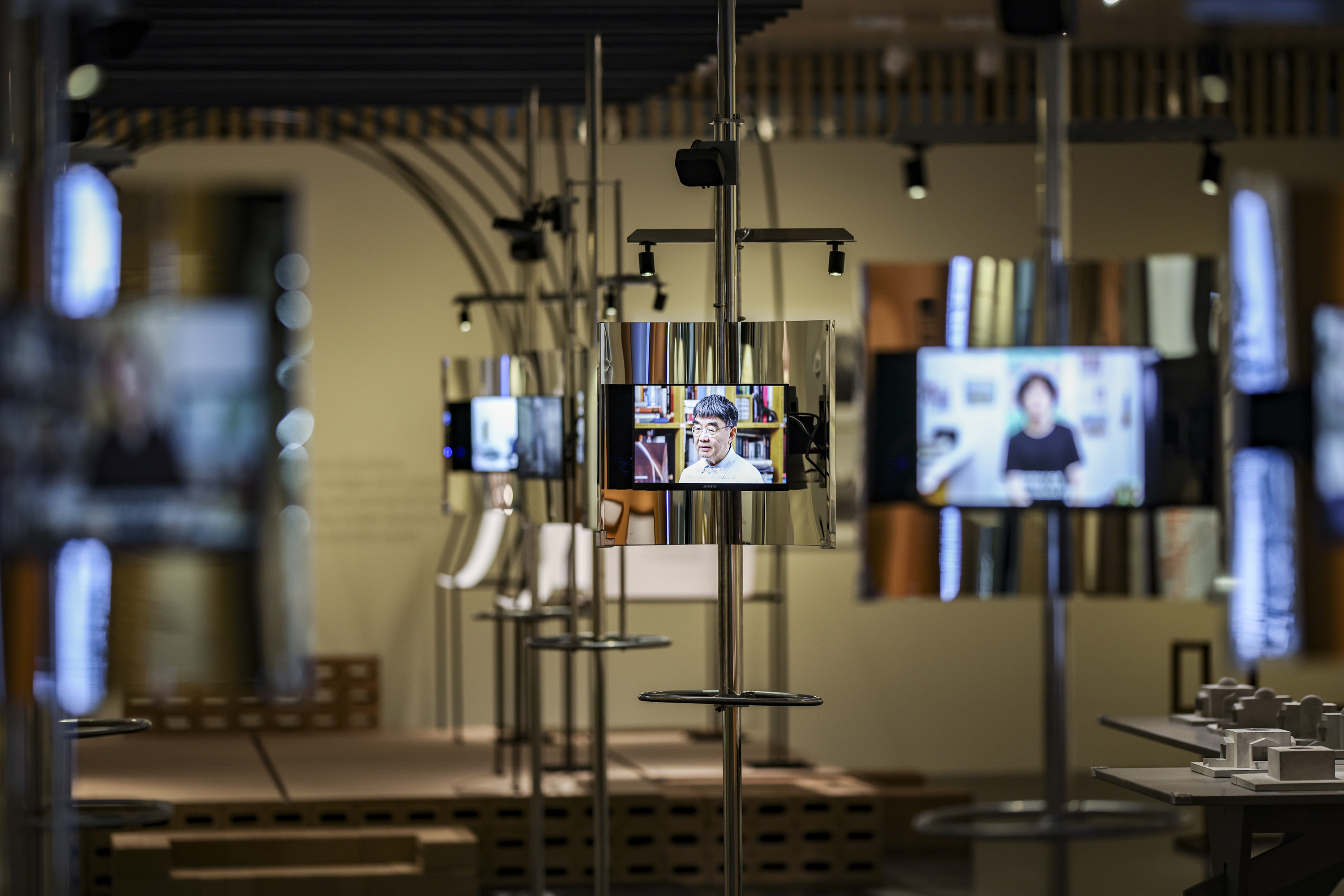
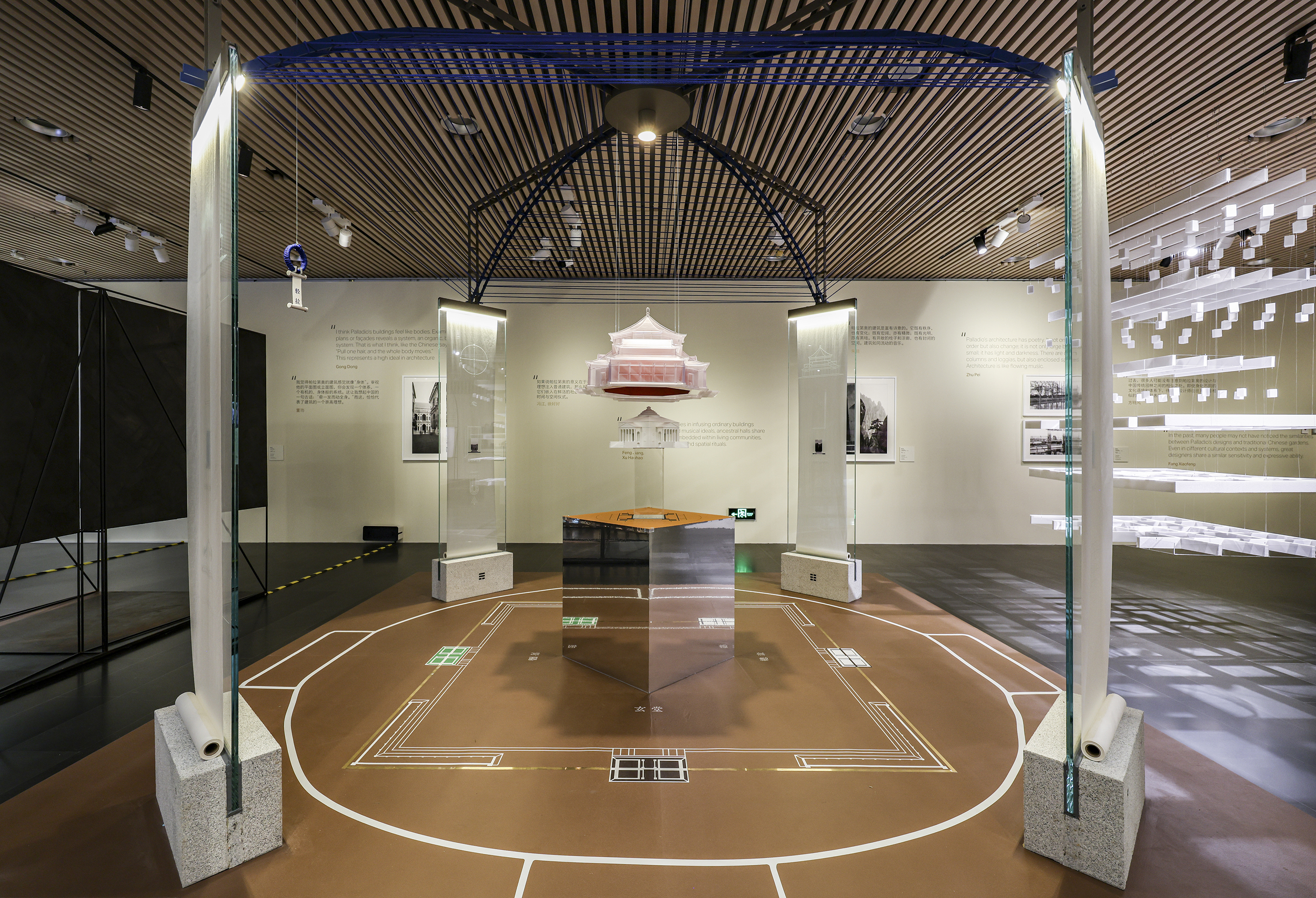
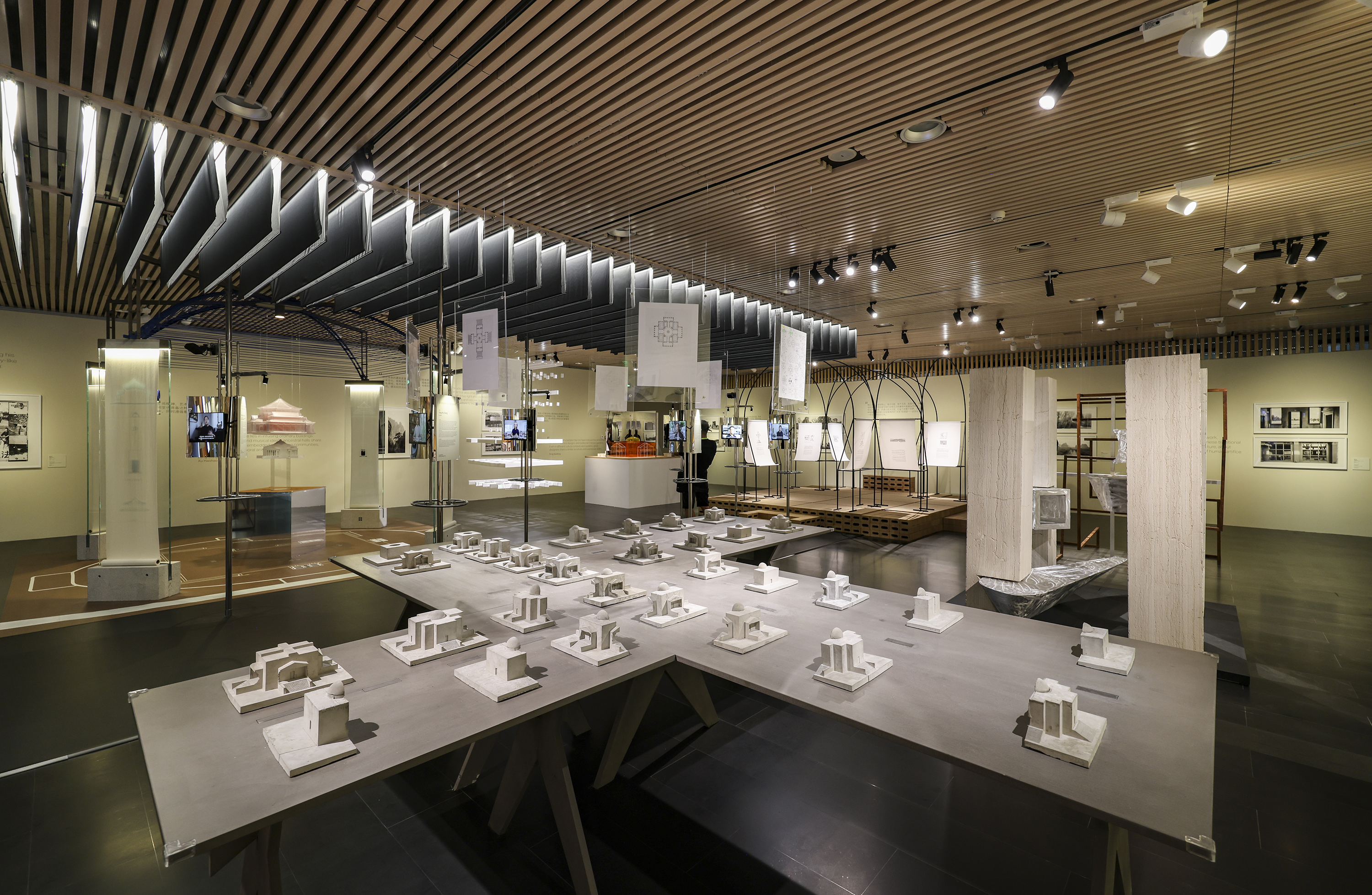
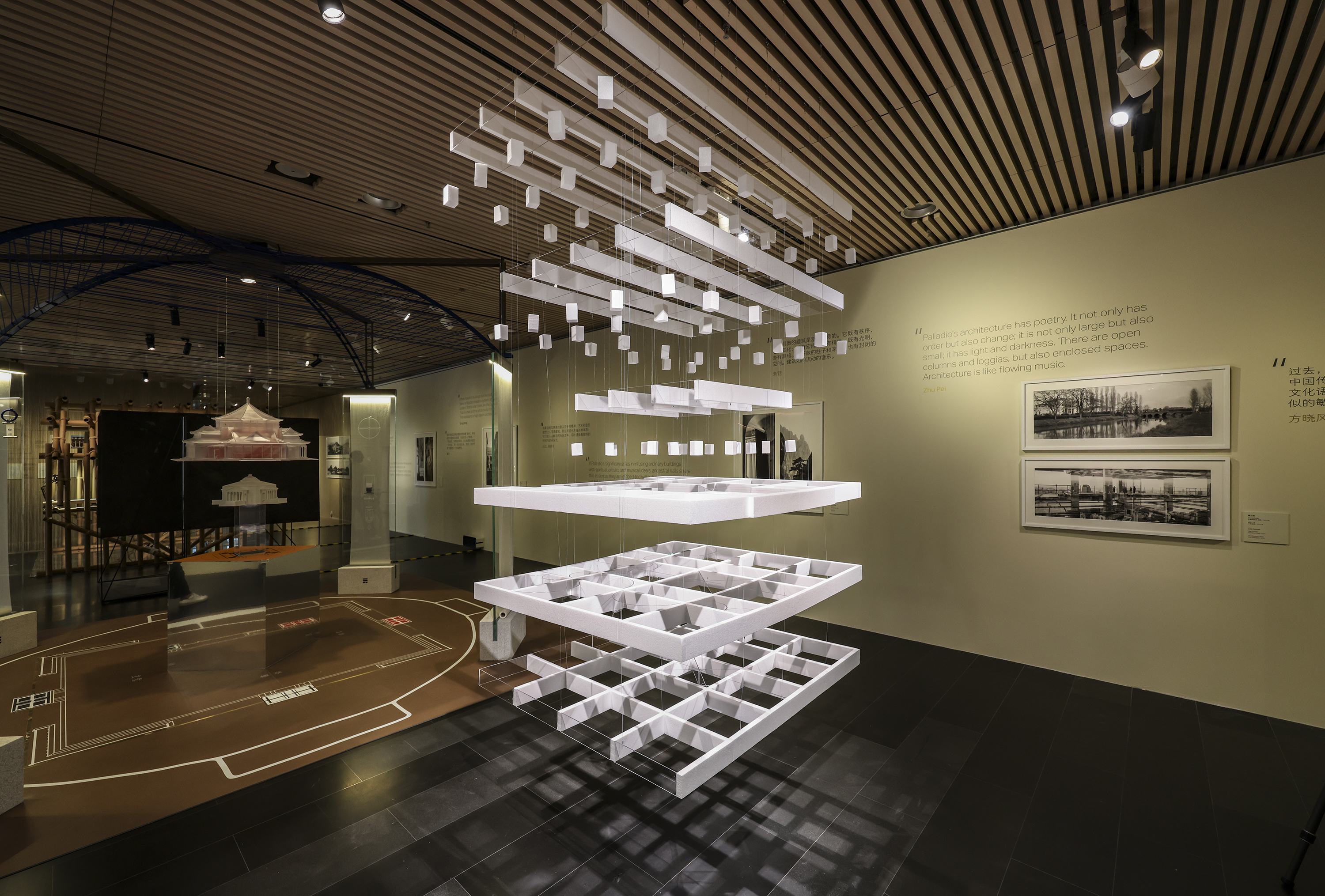
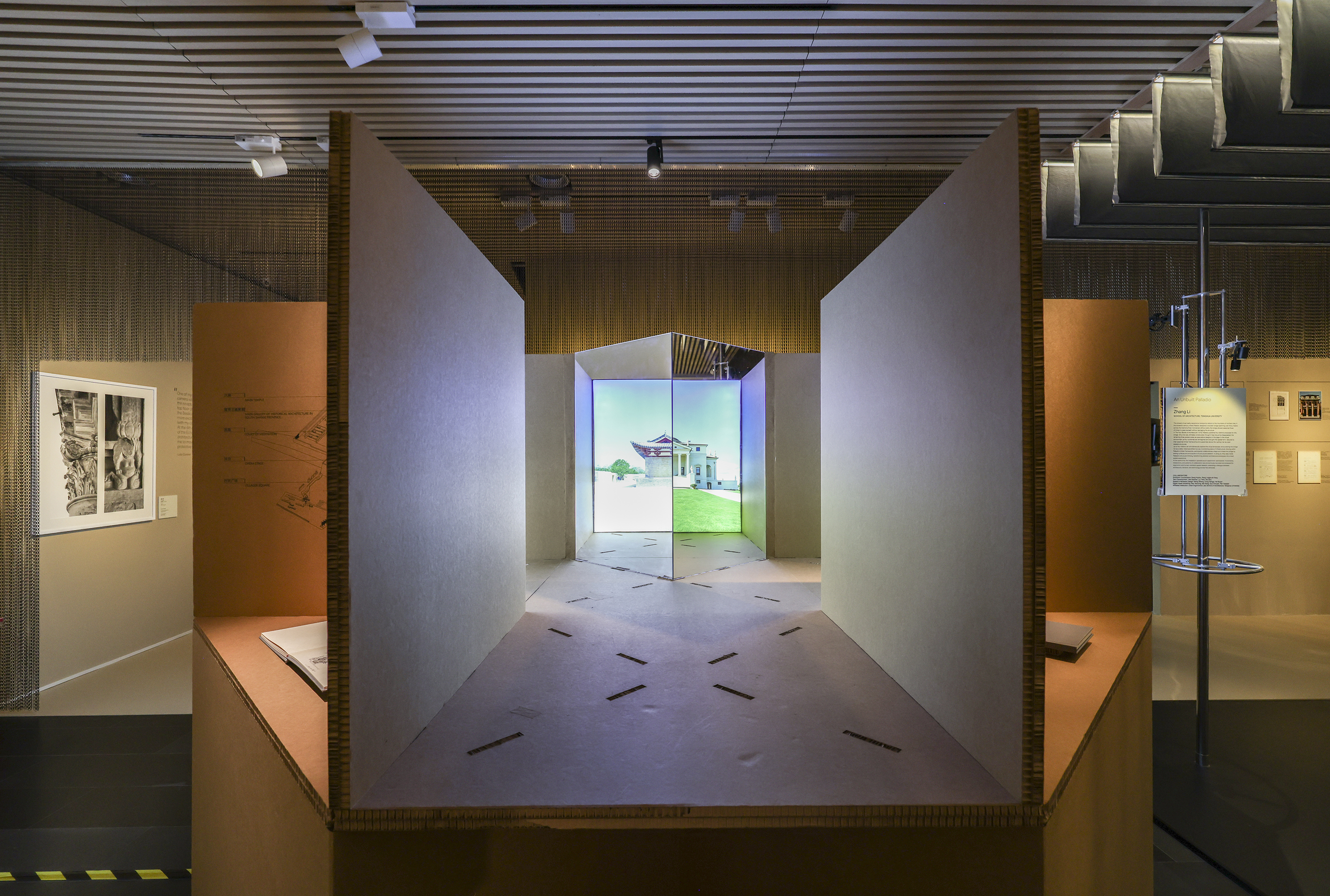
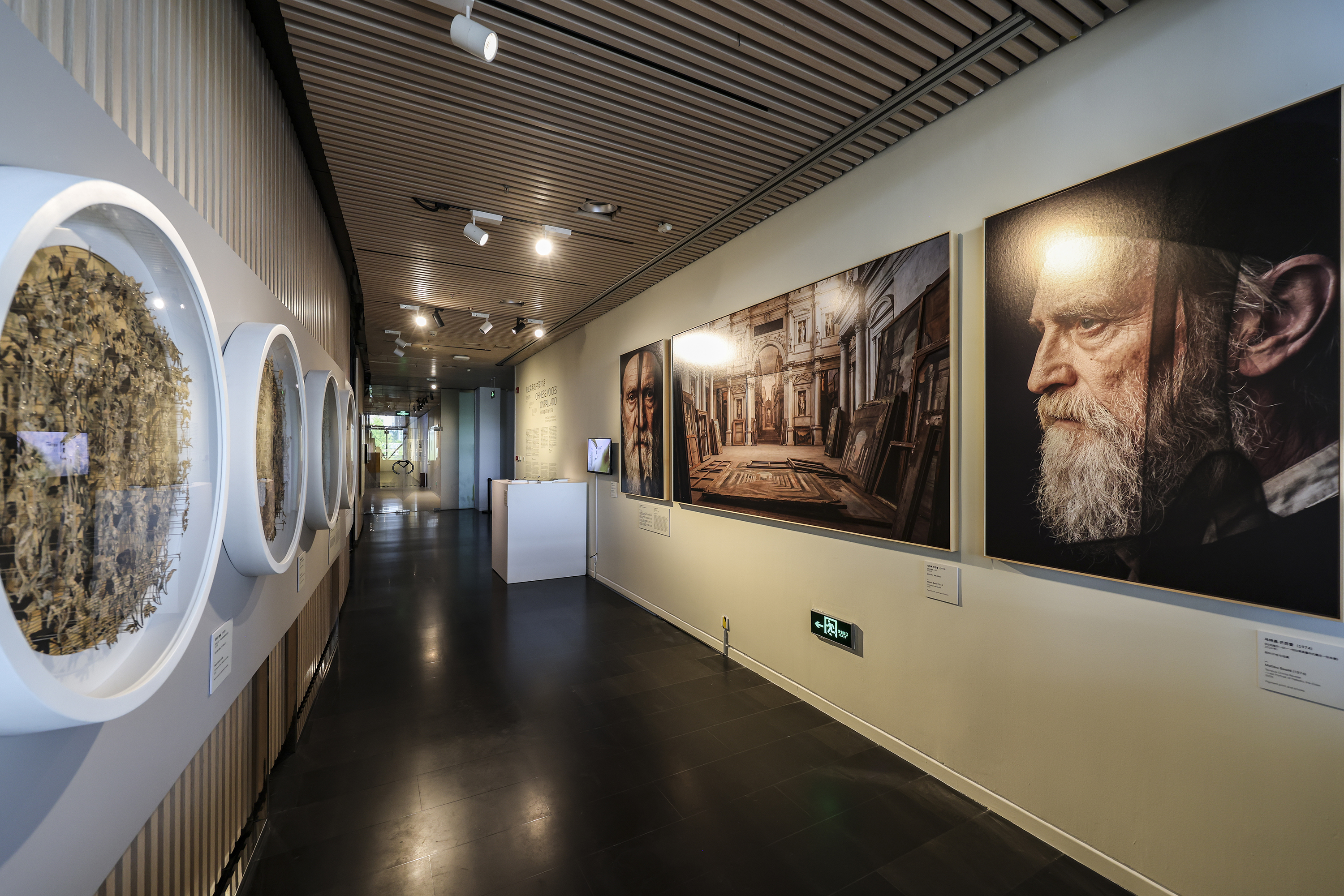
The exhibition unfolds through three interconnected sections. At its core, the exhibition brings together fourteen leading Chinese architects. Rather than seeking evidence of direct influence, the project investigates whether Palladio's drawings, writings, and built works continue to provide meaningful tools for addressing the challenges of contemporary architecture. Through site-specific installations, architectural models, drawings, and original video interviews, each architect reflects on themes such as the relationship between architecture and landscape, tradition and innovation, proportion, and the human experience of space.
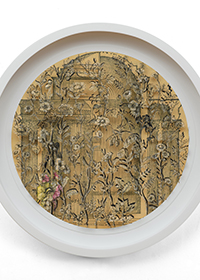
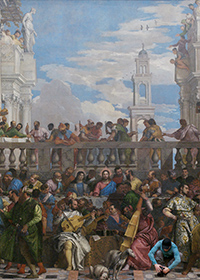
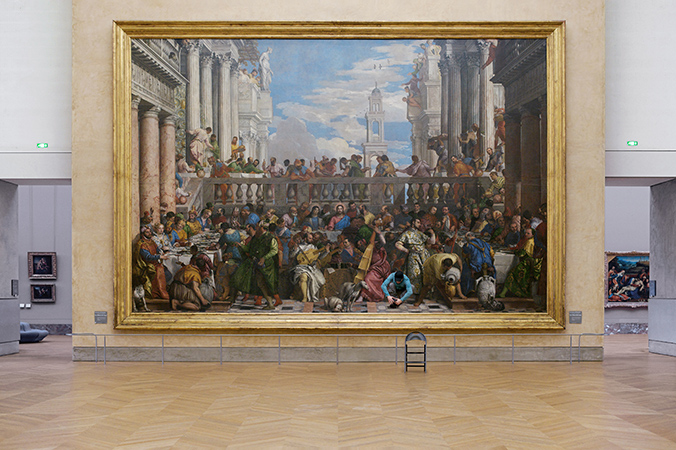
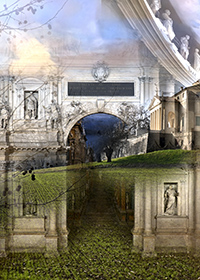
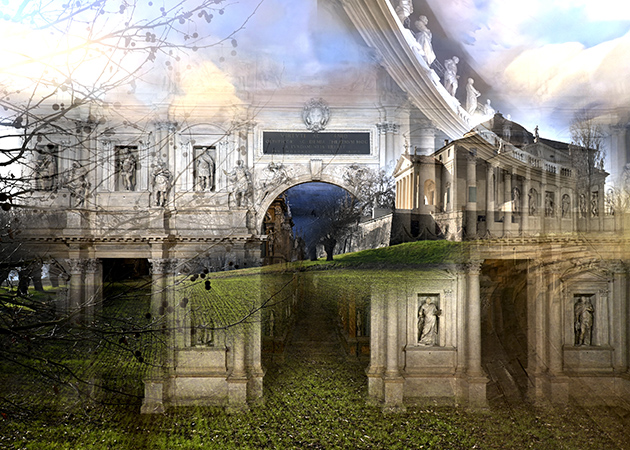
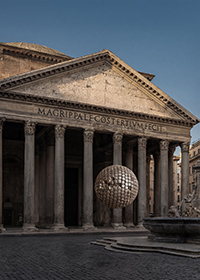
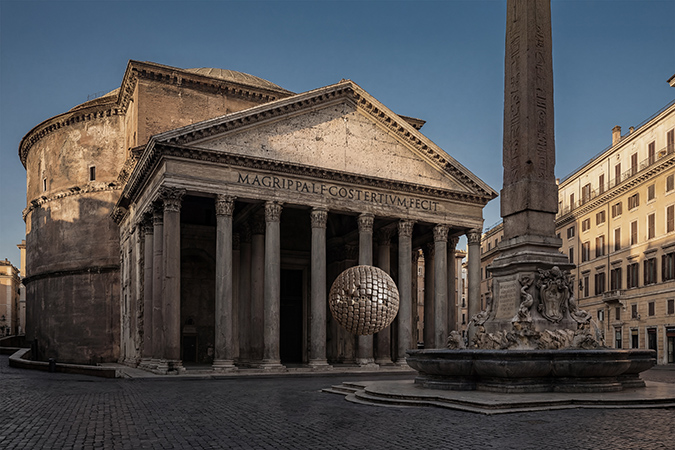
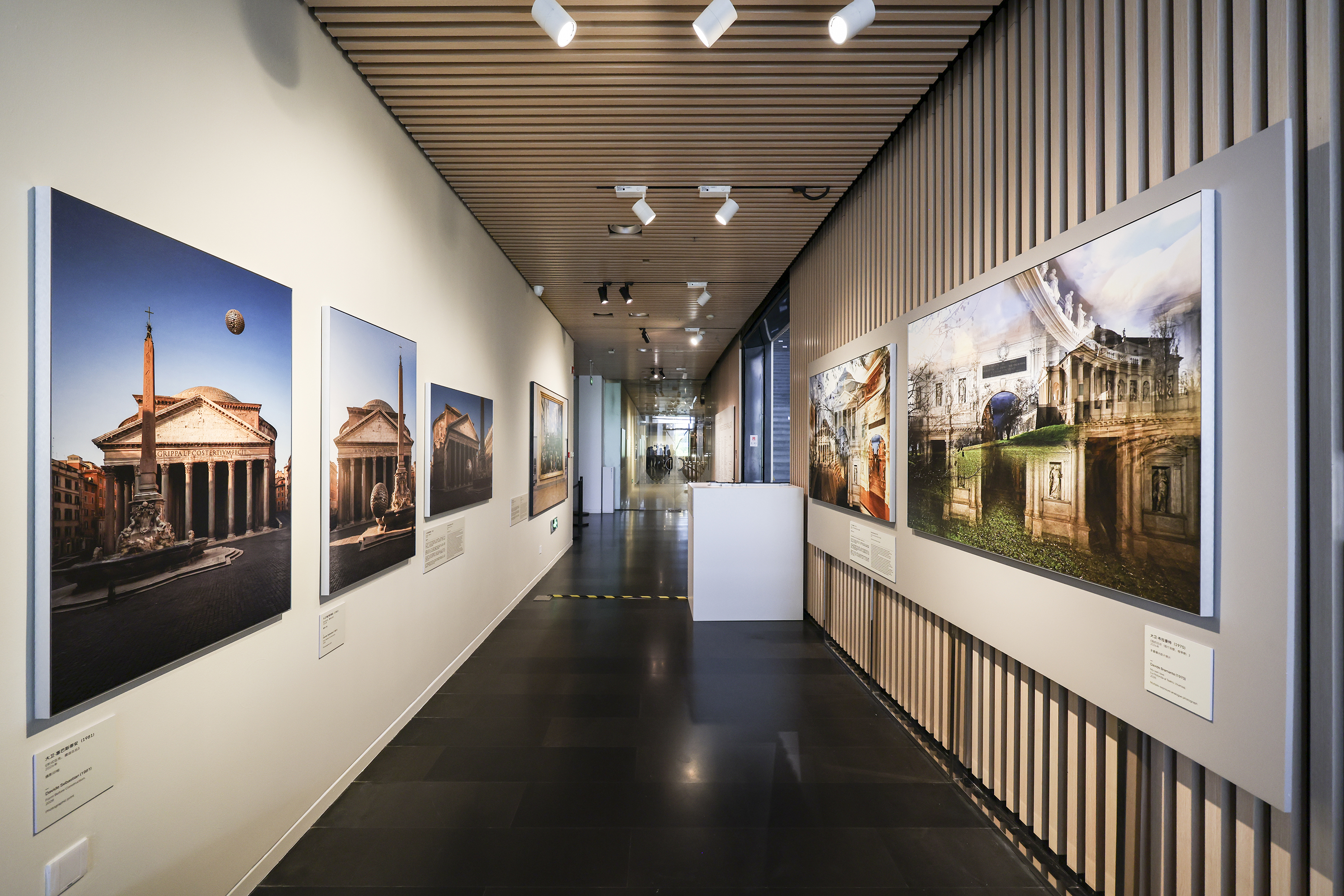
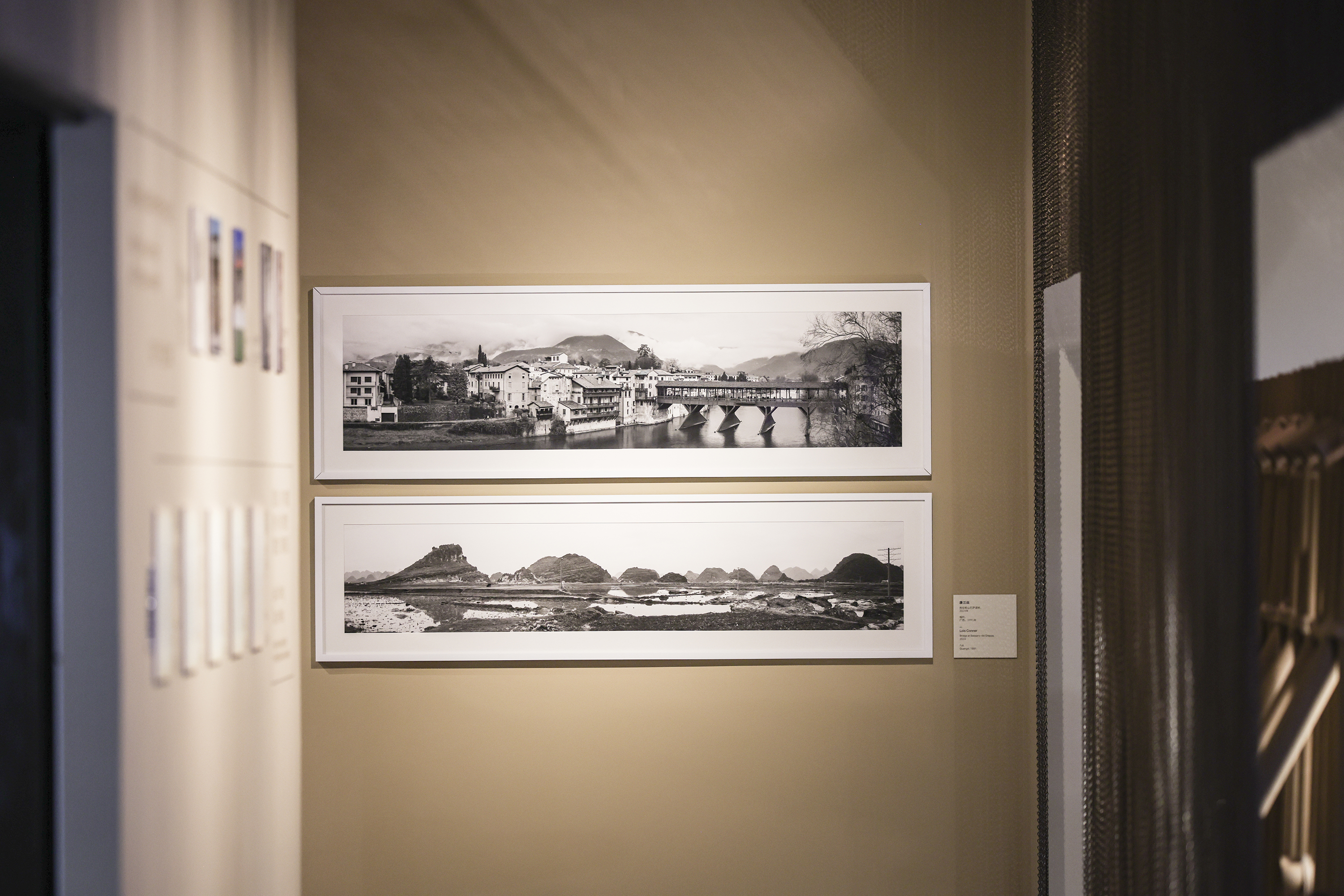
The photographic section presents a newly commissioned series by Lois Conner, creating a visual dialogue between the Palladian landscapes of the Veneto and contemporary Chinese landscapes. Finally, Palladio: Echoes in Contemporary Italian Art features works by five Italian artists, offering contemporary artistic interpretations of Palladio's cultural and architectural legacy.
Bringing together architecture, photography, contemporary art, and academic research, Chinese Voices on Palladio offers a fresh perspective on Palladio's enduring legacy, demonstrating how his principles of harmony, proportion, and dialogue with place continue to inspire architectural thought and artistic experimentation across cultures today.